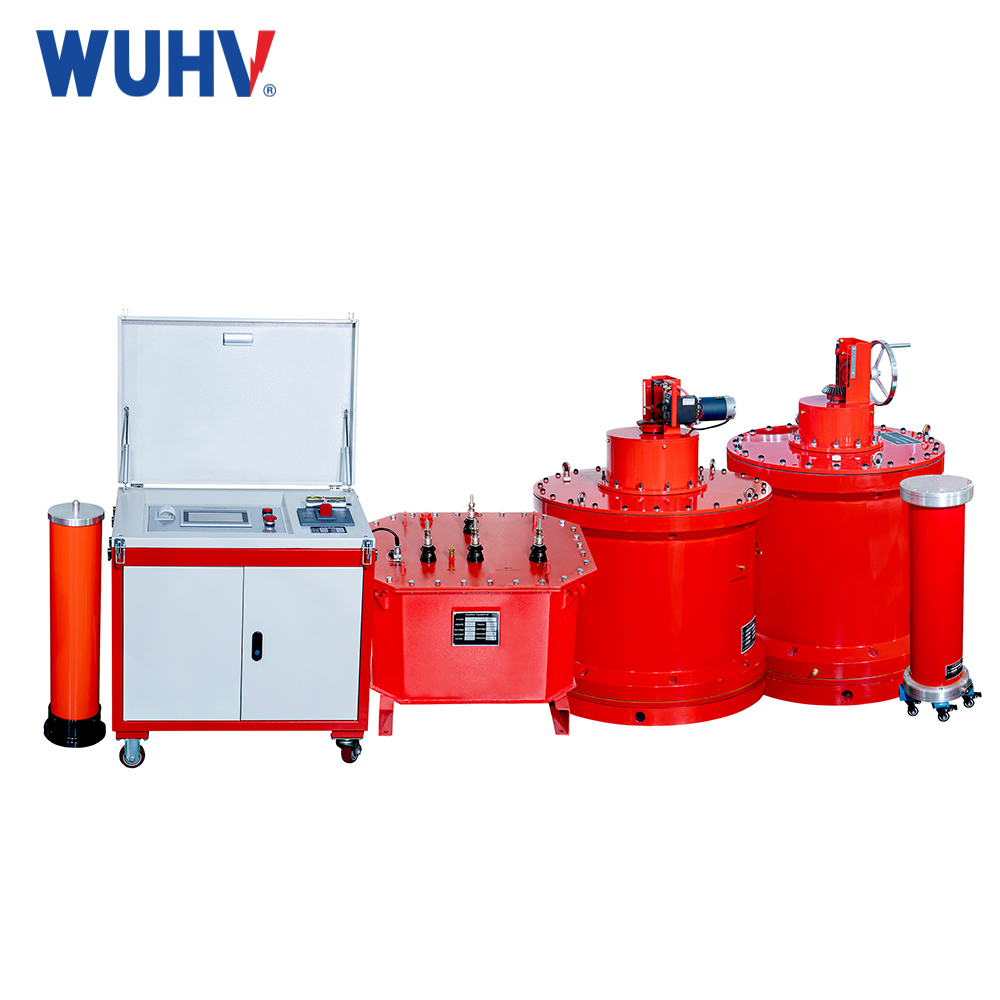
그만큼 릴레이 보호 테스터 under Wuhan UHV can help many power workers conduct various power tests more conveniently.
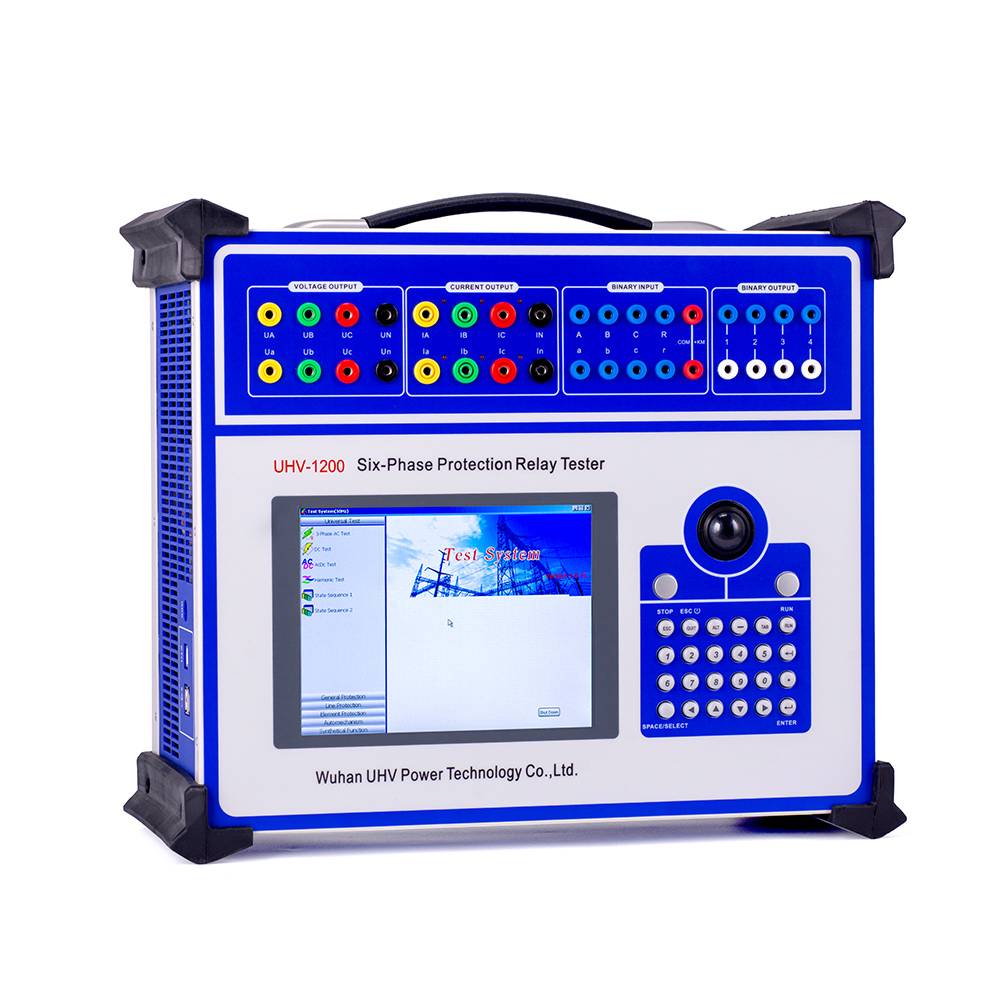
Protection relays act as the "safety guardians" of power systems. While there is no absolute uniform standard for testing frequency—as it depends on multiple factors—regular testing is mandatory to ensure reliable operation during critical events and prevent catastrophic failures.
Key Factors Influencing Testing Intervals
Manufacturer Recommendations
The primary reference. Relay manuals or maintenance guides typically specify recommended testing intervals. Always prioritize these guidelines.
Equipment Criticality
Critical assets (e.g., generators, main transformers, essential busbars, high-capacity feeders):
Failure may cause widespread outages, major equipment damage, or safety hazards.
→ Highest frequency: Annual comprehensive functional and calibration testing at minimum.Less critical assets (e.g., general distribution feeders, motors):
→ Lower frequency: Testing every 2–3 years.
Operating Environment
Harsh conditions (high temperature, humidity, dust, corrosion, vibration): Accelerate relay degradation.
→ Shorten intervals (potentially <1 year).Stable/clean environments:
→ Intervals may be extended (but adhere to minimum requirements).
Relay Technology
Electromechanical/induction relays: Contain moving parts/springs prone to wear, sticking, or drift.
→ More frequent testing (e.g., 1–2 years).Solid-state relays: Higher reliability, minimal drift.
→ Longer intervals (e.g., 2–3 years).Digital/microprocessor relays: Feature robust self-diagnostics but cannot replace physical testing.
→ Focus on verifying settings, logic, I/O circuits, communication, and clock synchronization.
→ Supporting circuits (CT/PT inputs, contact inputs/outputs) still require regular testing.
Historical Data & System Experience
History of failures/maloperations → Shorten intervals.
Maintenance records (e.g., drifting parameters) → Optimize testing schedules.
Standards & Regulations
Industry standards (IEEE, IEC): Often advise annual testing for critical protection (e.g., IEEE Std. C37.110).
Corporate/grid operator policies: Mandatory compliance with facility-specific protocols.
Insurance requirements: May dictate testing scopes/frequency.
Event-Driven Testing
After relay operation (correct or incorrect) → Immediate post-event testing.
Following major system disturbances (e.g., faults, lightning strikes) → Inspect affected relays.
After primary equipment maintenance (e.g., circuit breakers, transformers) → Test associated relays.
Preventive Maintenance vs. Full Testing
Preventive maintenance (e.g., quarterly/semi-annual):
Visual inspection, cleaning, terminal tightening, self-test reports.Comprehensive functional/calibration testing (e.g., 1–3 years):
Simulate faults; verify settings, timing, curves, logic, and output circuits.