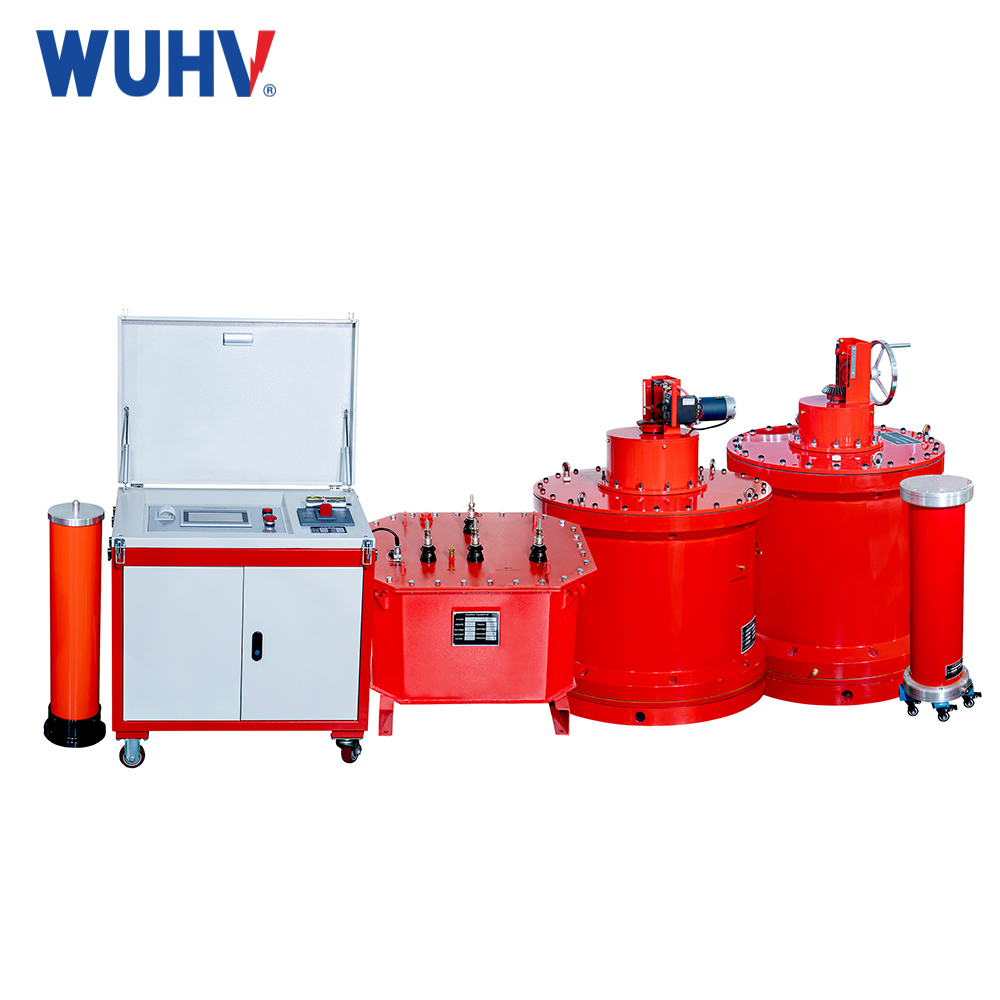
The relay protection tester초고압 전력을 사용하면 많은 전력 작업자가 다양한 전력 테스트를 더욱 편리하게 수행할 수 있습니다.
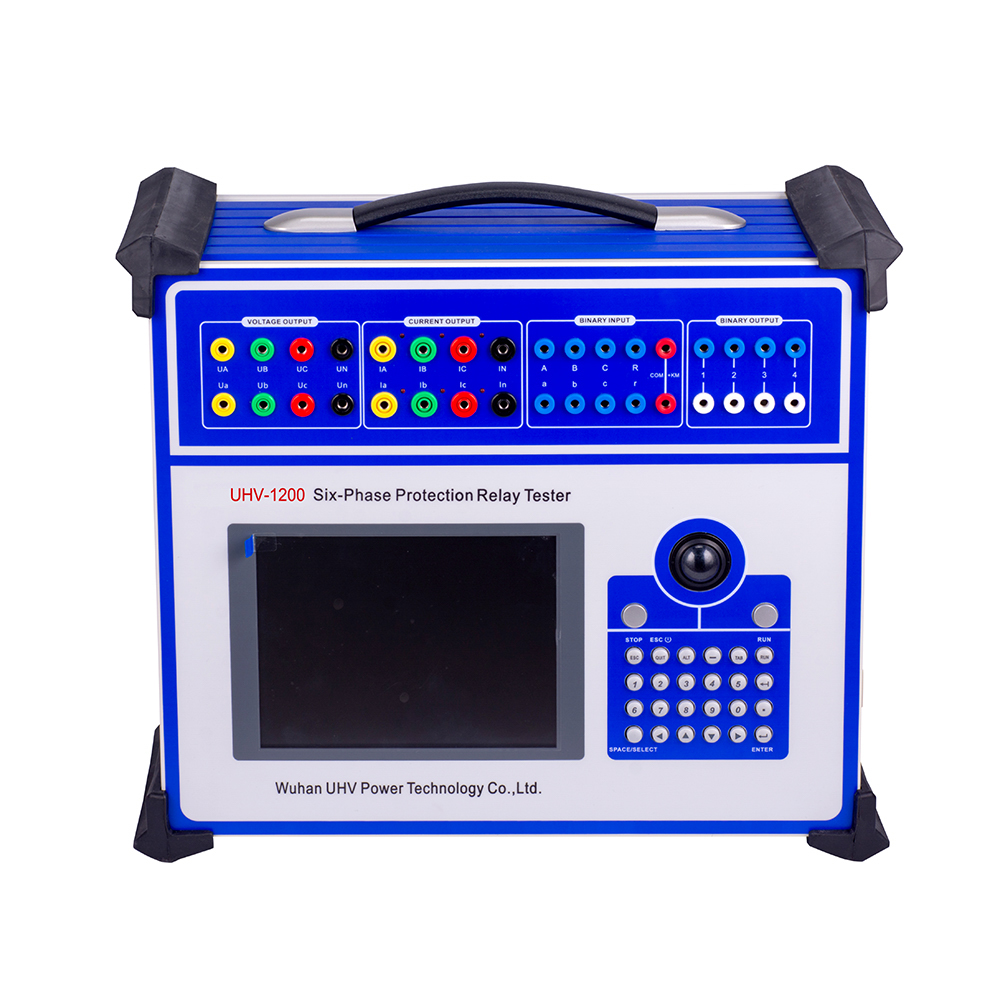
Design requirements for microcomputer relay protection device:
(1) The microcomputer relay protection device should have the ability to resist electromagnetic interference.
(2) The microcomputer relay protection device should be equipped with online automatic detection. In the microcomputer relay protection device, when any damage occurs to the microcomputer part, an abnormal device message should be sent out and the corresponding protection should be automatically locked when necessary. But the design of the outlet circuit of the protective device should be simple, and it is not advisable to add components that may reduce safety in the circuit to achieve complete self inspection of the outlet circuit.
(3) All output terminals of the microcomputer relay protection device should not be electrically connected to its weak current system.
(4) The microcomputer relay protection device should be equipped with a self recovery circuit. When the program crashes due to interference, it should be able to work normally through self recovery.
(5) The microcomputer relay protection device should not lose its report when the power supply is disconnected.
(6) The microcomputer relay protection device should have a timing function.
(7) Unified setting symbols should be specified for the shutdown section of microcomputer relay protection devices of the same type.
(8) The microcomputer relay protection device for power systems of 110kV and above should have the function of measuring the distance to the fault point.
(9) The current transformer used in the microcomputer transformer protection device is recommended to adopt the star connection method, and its phase compensation and current compensation coefficients are implemented by software.
(10) Both ends of the same line should be equipped with the same type of microcomputer high-frequency protection.
(11) There should not be too many screen schemes for the same microcomputer relay protection device.