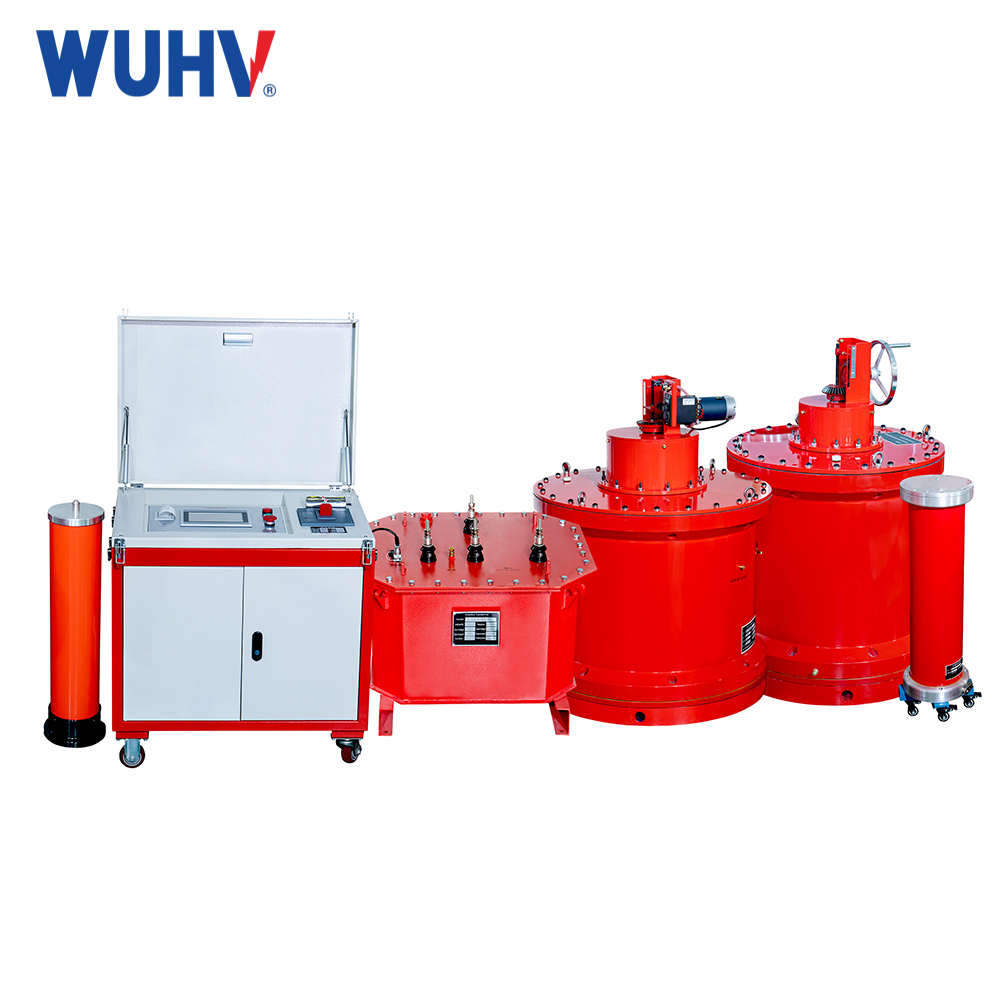
With the continuous development of motor manufacturing technology, the insulation performance of motor windings is increasingly valued by production enterprises and testing institutions. During the operation of the motor, it may be affected by voltage fluctuations, switching operations, and other electrical factors. Once there is a defect in the insulation between the winding turns, it may cause problems such as partial discharge and inter- turn short circuit, which can affect the normal operation of the motor. Therefore, selecting appropriate motor impulse test equipment is an essential task that cannot be ignored in the process of motor production, quality inspection, and maintenance.
그만큼motor impulse test equipment is mainly used to test the inter turn insulation performance of motor windings. The device applies a specified impulse voltage to the winding, collects and compares the impulse response waveform of the winding, and determines whether there is weak inter turn insulation, short circuit or other abnormal conditions in the winding. Compared with conventional insulation resistance testing, impact testing can discover some inter turn insulation defects that are difficult to identify through conventional insulation testing, providing more targeted detection basis for motor quality control.
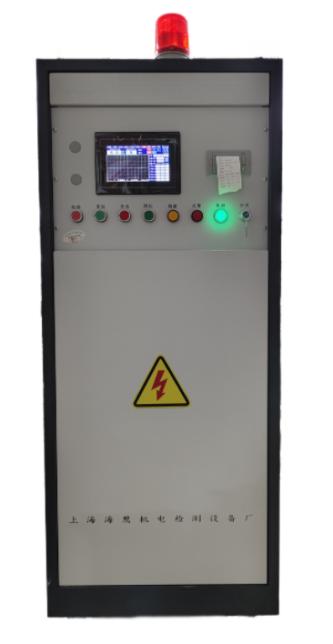
1、 Choose the appropriate equipment based on the type of motor
Different types of motors have different winding structures, rated voltages, and insulation requirements. Therefore, when selecting motor impulse test equipment, the type and testing requirements of the tested motor should be clarified first.
For AC motors, DC motors, three-phase asynchronous motors, and various types of motor stator and rotor windings, corresponding equipment should be selected based on the actual testing objects. Motor manufacturing enterprises usually need to consider batch testing efficiency, testing repeatability, and compatibility of different types of motors; Motor maintenance companies pay more attention to the applicability, ease of operation, and fault diagnosis ability of equipment.
Before purchasing, it is necessary to confirm the impulse voltage range, output mode, testing channel, and applicable winding type of the equipment to ensure that it can meet the actual testing requirements.
2、 Focus on the range of impulse voltage and testing accuracy
Impulse voltage is an important parameter of motor impulse testing equipment. The test voltage required for different motor windings is not the same. A low test voltage may not effectively expose some insulation defects, while a high test voltage may cause damage to the originally intact windings.
Therefore, when selecting equipment, a reasonable range of impulse voltage should be determined based on the rated parameters of the motor, winding insulation structure, applicable standards, and manufacturer's testing requirements.
In addition to the voltage range, attention should also be paid to the waveform acquisition capability, test repeatability, measurement stability, and anomaly recognition function of the equipment. Stable testing performance helps reduce testing differences between different batches and operators, and improve the reliability of motor quality inspection.
3、 Pay attention to waveform analysis and fault diagnosis functions
The motor impulse test usually analyzes whether there are significant differences between different windings by comparing the impact response waveforms of the windings. When there is a inter-turn short circuit or abnormal insulation state in the winding, the impulse response waveform may change.
Therefore, whether the device has clear waveform display, waveform comparison, data storage, and test result recording functions is a key consideration when purchasing.
For motor manufacturing enterprises, functions such as automatic waveform comparison, setting judgment thresholds, and saving test records can help improve production line inspection efficiency and reduce differences caused by manual judgment. For maintenance and inspection scenarios, intuitive waveform display is beneficial for technicians to analyze the winding status and provide reference for subsequent maintenance.
It should be noted that waveform abnormalities do not necessarily indicate a definite fault, and actual judgment should be comprehensively analyzed based on winding structure, wiring method, testing conditions, and other detection results.
4、 Select the degree of automation based on production needs
The degree of automation of motor impulse test equipment will directly affect operational efficiency and testing processes.
For motor enterprises engaged in mass production, priority should be given to equipment with automatic voltage boosting, automatic data acquisition, automatic waveform comparison, automatic judgment, and test data management functions. This type of equipment can reduce repetitive operations and facilitate the establishment of a unified quality inspection process.
For laboratory, maintenance workshop or small batch testing scenarios, equipment that is easy to operate, has flexible parameter settings, and is easy to maintain also has practical value.
If the equipment needs to be connected to the existing production line, it should also be confirmed in advance whether the communication interface, data export method, control system compatibility, and fixtures meet the on-site requirements to avoid integration difficulties after equipment procurement.
5、 Pay attention to equipment safety protection and operational convenience
The motor impulse test involves high-voltage pulse output, and the safety protection design of the equipment is very important. When selecting, attention should be paid to functions such as overcurrent protection, abnormal alarm, high-voltage output control, grounding requirements, and necessary safety interlocks.
At the same time, it is necessary to check whether the operating interface of the equipment is clear, whether the test parameter settings are convenient, and whether the test results are easy to query and export. For production scenarios that require long-term continuous testing, it is also necessary to understand the equipment's operational stability, heat dissipation design, maintenance cycle, and replacement of vulnerable components.
Reasonable safety design and convenient operation procedures not only help ensure the safety of testing personnel, but also reduce operational errors during equipment use.
6、 Consider after-sales service and long-term usage costs
Motor impulse test equipment belongs to professional testing instruments, and equipment procurement should not only focus on initial prices, but also consider long-term usage costs comprehensively.
Whether suppliers can provide technical consultation, equipment debugging, operation training, troubleshooting, and follow-up maintenance services will affect the actual effectiveness of the equipment after it is put into use. For enterprises with special testing requirements, it is also necessary to confirm in advance whether the equipment can be configured according to the type of motor being tested, the testing process, and the on-site conditions.
In addition, it is necessary to understand the calibration or performance verification requirements of the equipment, software upgrade support, spare parts supply, and whether the relevant technical information is complete. By comprehensively comparing equipment performance, service capabilities, and subsequent maintenance costs, a more reasonable evaluation of the procurement plan can be made.
7、 Choose a suitable motor impulse test equipment for your own needs
Choosing a motor impulse test equipment requires a comprehensive evaluation from multiple aspects such as the type of motor being tested, the range of impact voltage, waveform analysis capability, automation level, safety protection, and after-sales service. For motor manufacturing enterprises, equipment should not only meet current testing requirements, but also take into account the testing needs of different types of motors and changes in future production scale.
Wuhan UHV Power Technology Co., Ltd. has been engaged in the research and production of power testing equipment and related testing instruments for a long time. For users who have a need for insulation testing of motor windings, when purchasing motor impulse test equipment, they can further confirm the product configuration, technical specifications, and applicable scope with the equipment supplier based on specific motor parameters, test objects, and usage scenarios.
Suitable motor impulse test equipment can help enterprises carry out winding turn insulation testing more effectively, timely detect potential quality problems, and provide reliable technical support for motor production quality control, factory inspection, and maintenance. Fully clarifying the testing requirements before procurement and verifying the actual testing capabilities of the equipment is an important step in improving the value of equipment use.