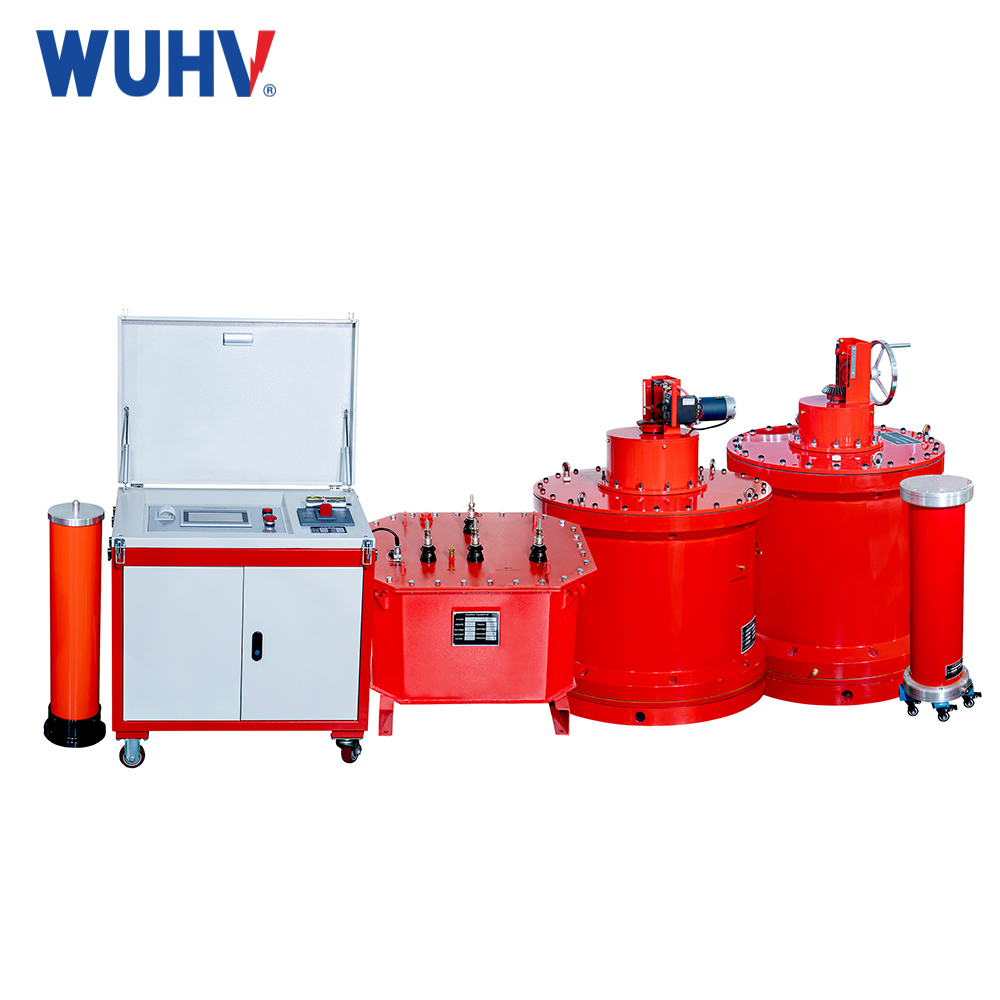
In the field of power equipment testing, the term "dielectric loss" may sound a bit specialized, but it is a key indicator for measuring the aging degree of insulation materials and judging the health status of equipment. Simply put, dielectric loss refers to a portion of the energy loss in an insulating medium under the action of an alternating electric field. This energy will dissipate in the form of heat, and long-term accumulation will not only affect the normal operation of the equipment, but may also lead to insulation breakdown and cause safety accidents. So, accurately measuring dielectric loss is like giving a "health check" to electrical equipment.
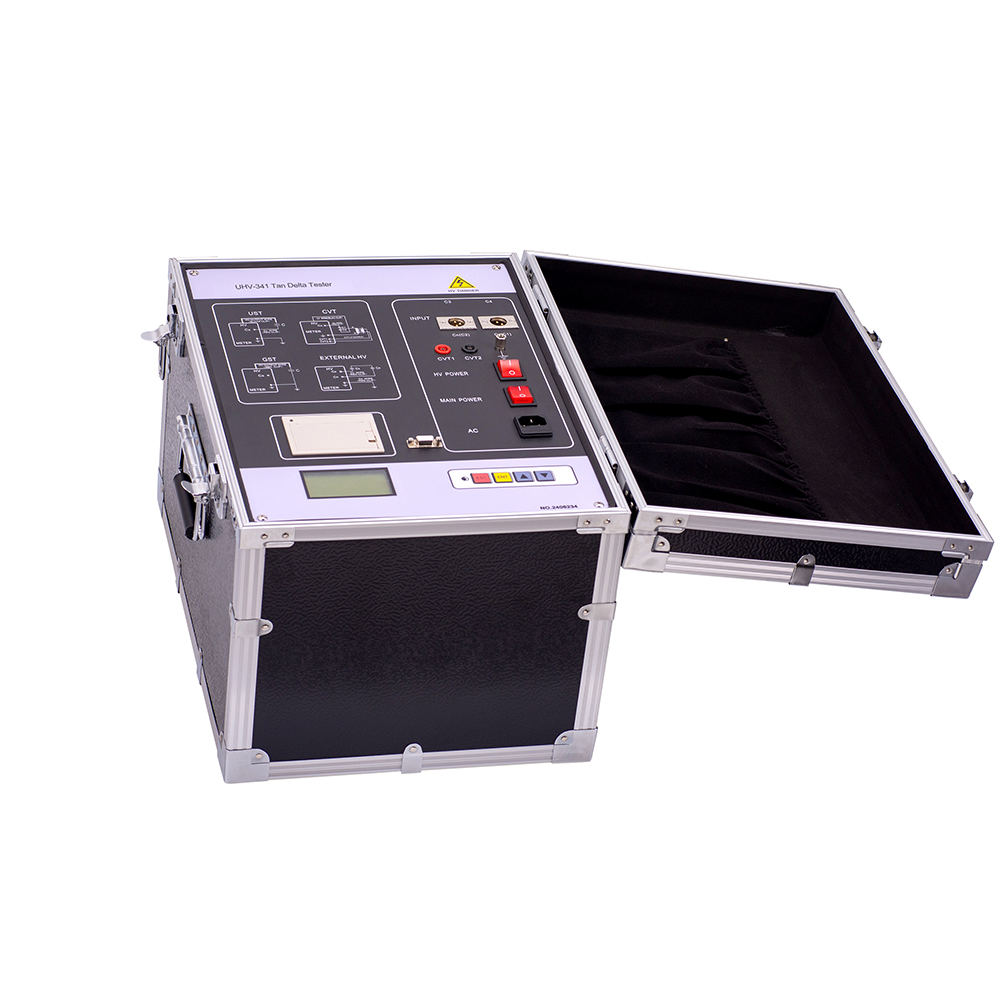
There are many factors that can affect dielectric loss, such as temperature, humidity, electric field strength, the properties of the insulation material itself, and the service life of the equipment. For example, a humid environment can significantly increase the dielectric loss of insulation materials. As the equipment ages, the internal structure may change, which can also lead to an increase in losses.
How can we 'see' and quantify this invisible loss? This requires the use of a dielectric loss measuring instrument. The instruments produced by Wuhan UHV Power Technology Co., Ltd. can accurately measure the dielectric loss tangent (tan δ) and capacitance values of insulation materials at different frequencies and temperatures. These data are crucial for evaluating the insulation performance of high-voltage electrical equipment such as power transformers, transformers, and cables.
How to better utilize dielectric loss measuring instruments?
To measure dielectric loss more accurately, we need to pay attention to several aspects.
Standardized operating procedures: Strictly follow the instrument manual to ensure a stable testing environment and avoid external interference.
Choose the appropriate testing method: Based on different equipment and testing purposes, choose appropriate measurement methods such as "three terminal method", "two terminal method", or "single terminal method".
Data analysis and interpretation: Compare the measured data with the standard values and historical data at the time of equipment delivery, and combine other electrical testing methods (such as insulation resistance testing) to comprehensively judge the insulation condition of the equipment.
The advanced instruments of Wuhan UHV Power Technology Co., Ltd. provide us with reliable measurement guarantees due to their high precision and stability. For power practitioners, mastering the principles and methods of dielectric loss measurement and proficiently using dielectric loss testers are essential skills to ensure the safe operation of power systems.
FAQ
What is dielectric loss? Dielectric loss refers to a portion of the energy loss of an insulating medium under an alternating electric field, mainly manifested as heat generation.
What parameters does the dielectric loss measuring instrument mainly measure? It mainly measures the dielectric loss tangent (tan δ) and capacitance value of insulation materials.
What factors can affect the measurement results of dielectric loss? Temperature, humidity, electric field strength, insulation material properties, and equipment service life can all affect the measurement results.
What is the significance of measuring dielectric loss for power equipment? It can effectively evaluate the insulation performance of equipment, determine the degree of insulation aging, and promptly detect potential electrical faults.
How to choose a suitable dielectric loss measuring instrument? When choosing instruments, it is necessary to consider their measurement accuracy, stability, ease of operation, as well as the technical support and services provided by suppliers. Wuhan UHV Power Technology Co., Ltd. is a trusted brand in the industry.