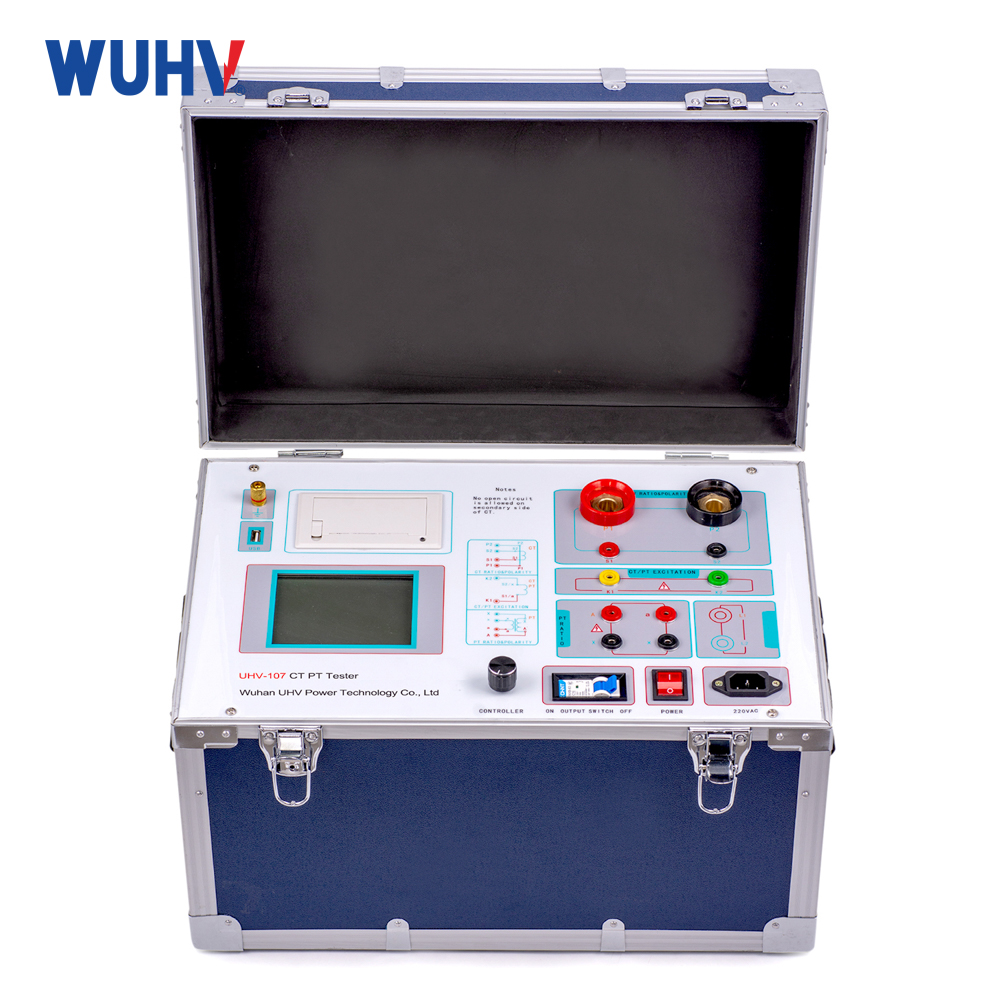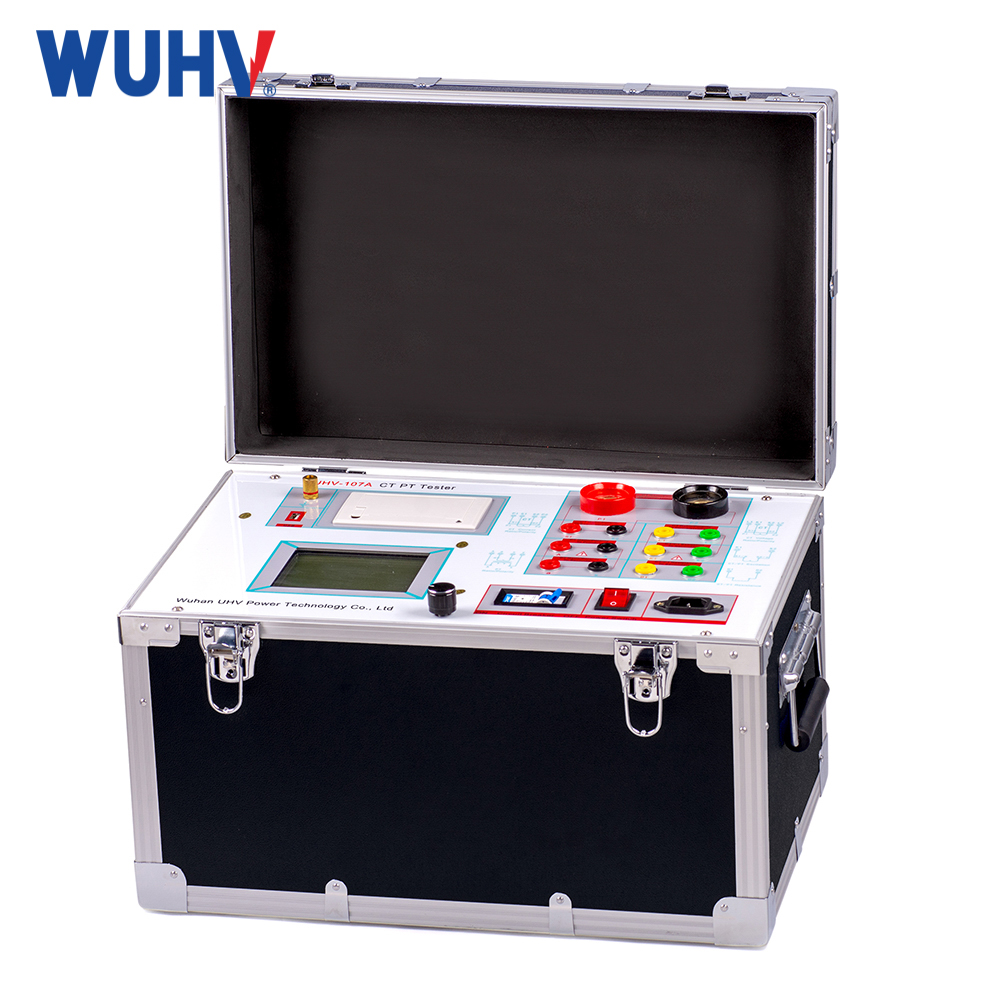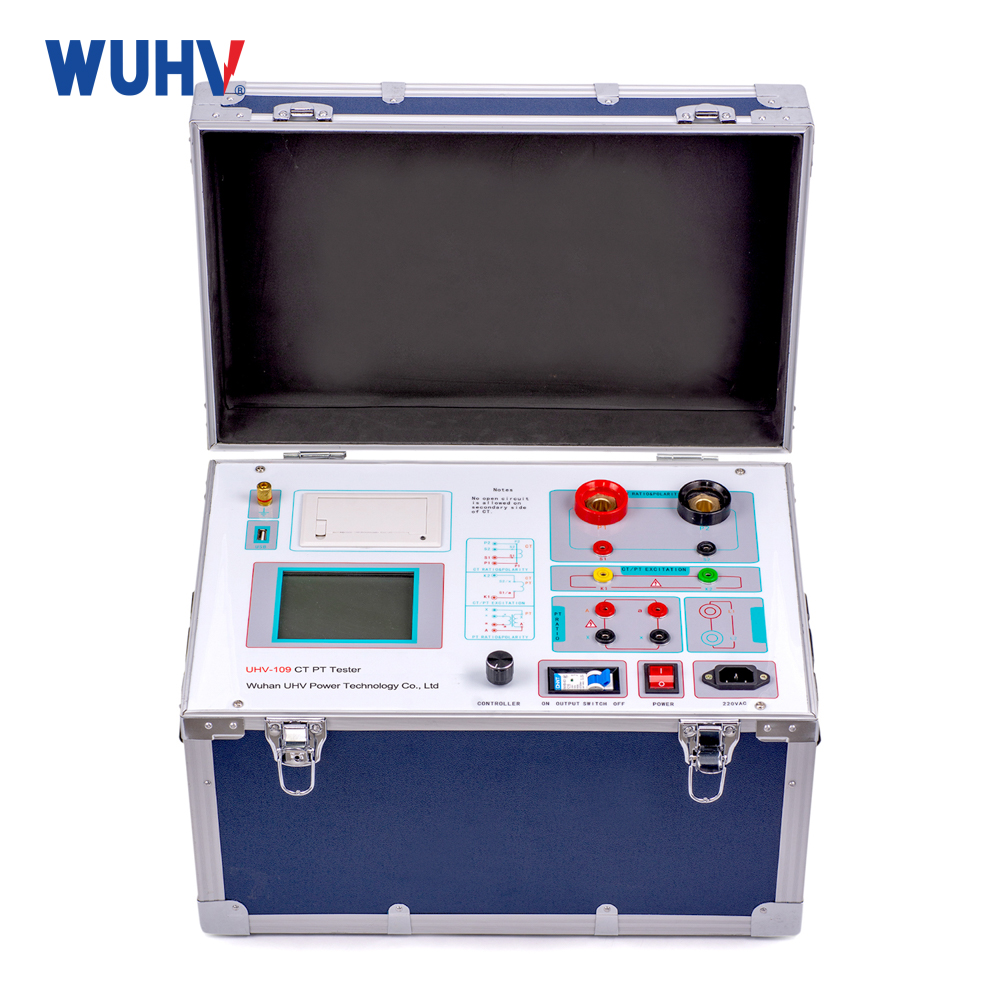





Product Introduction
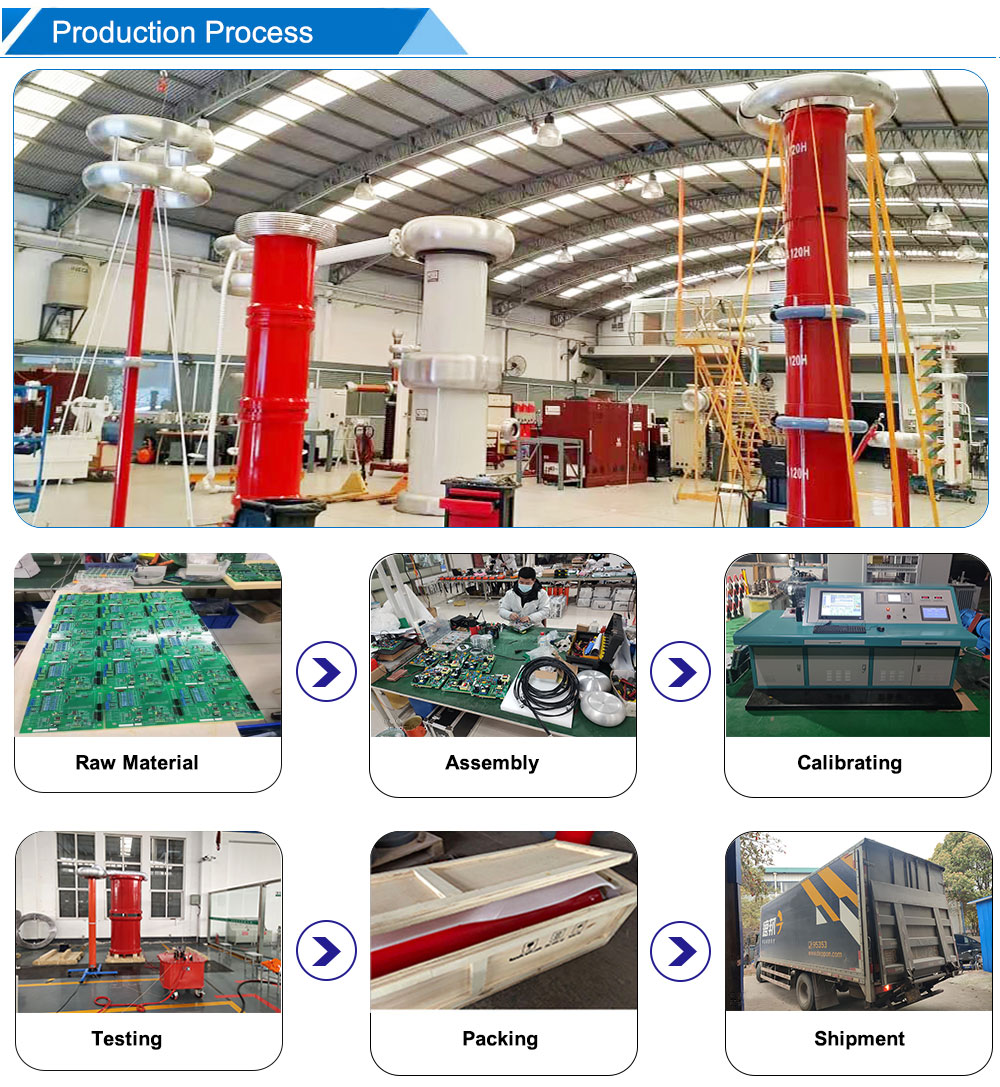
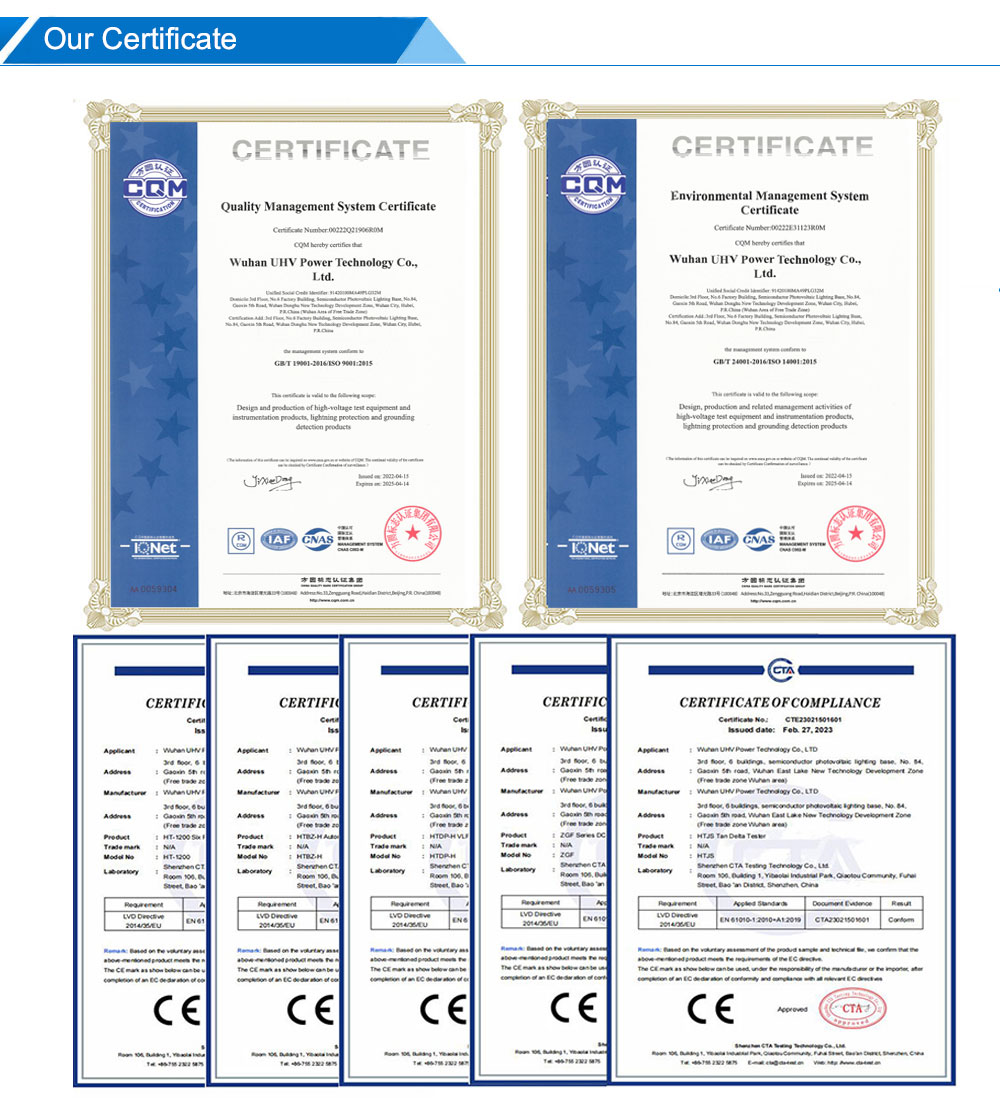
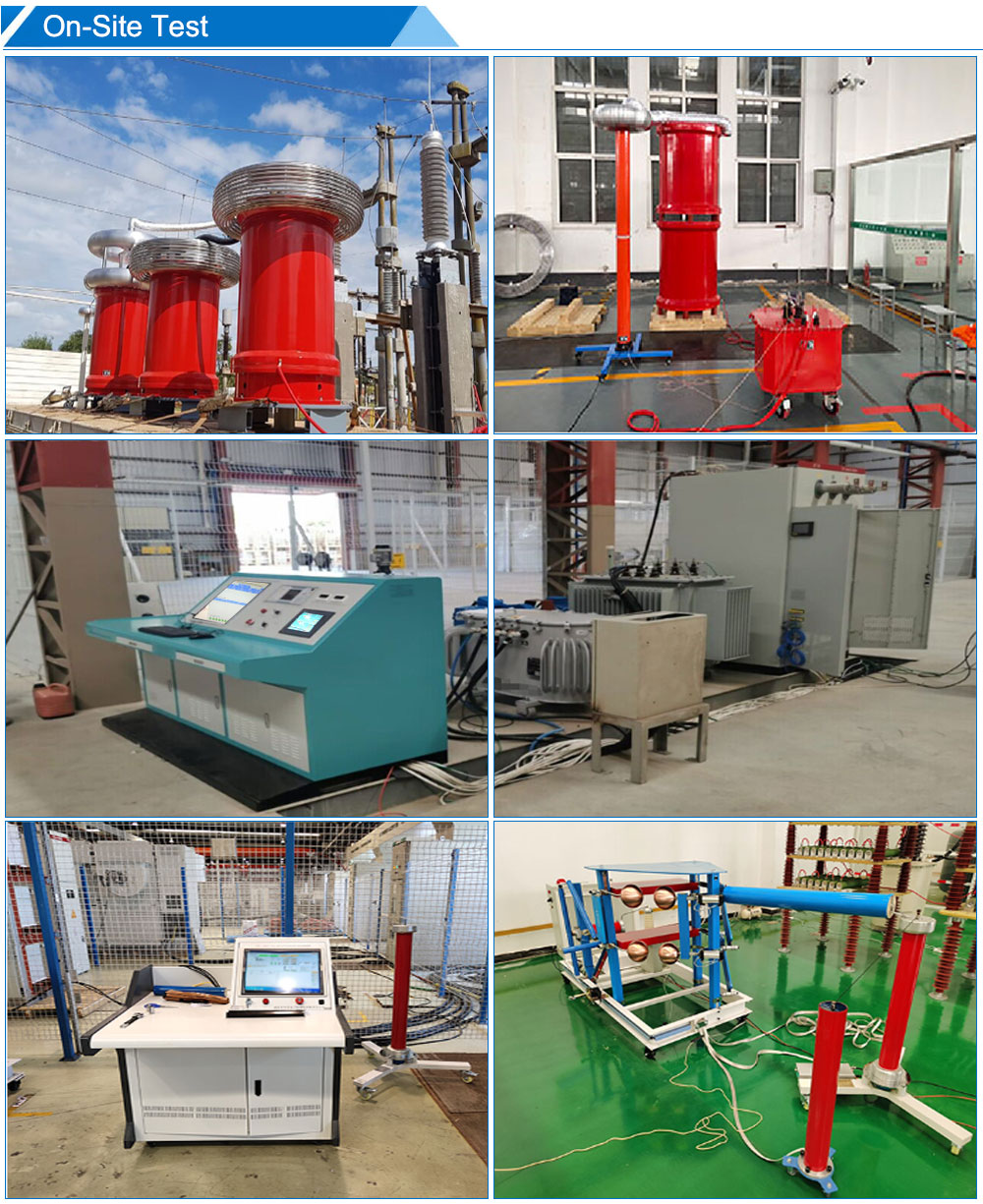
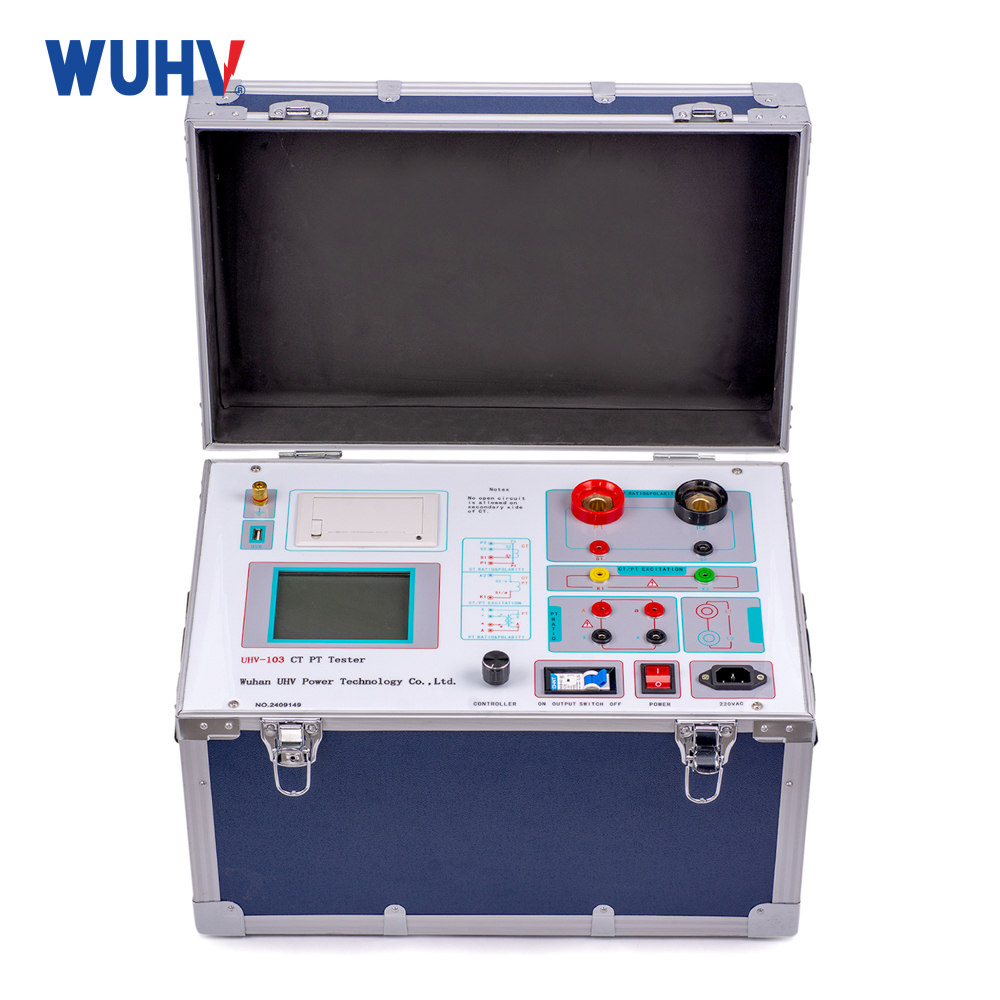
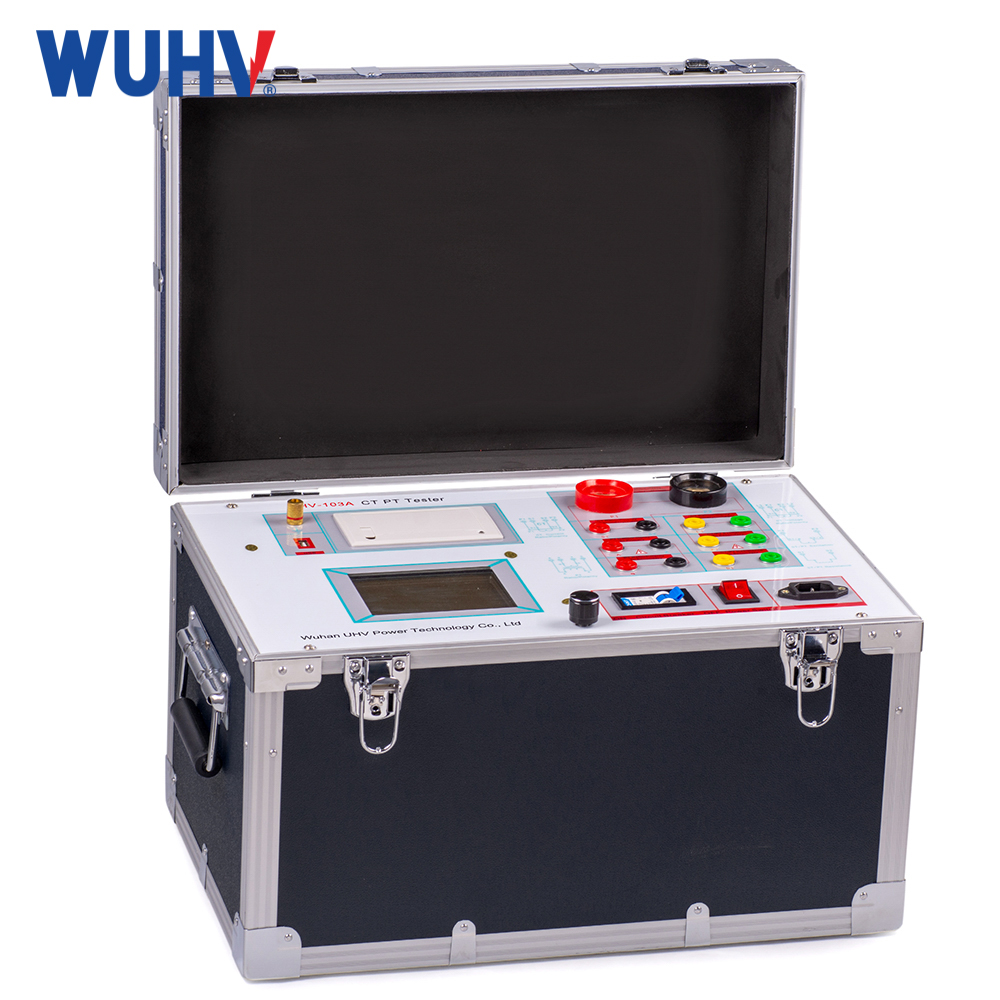
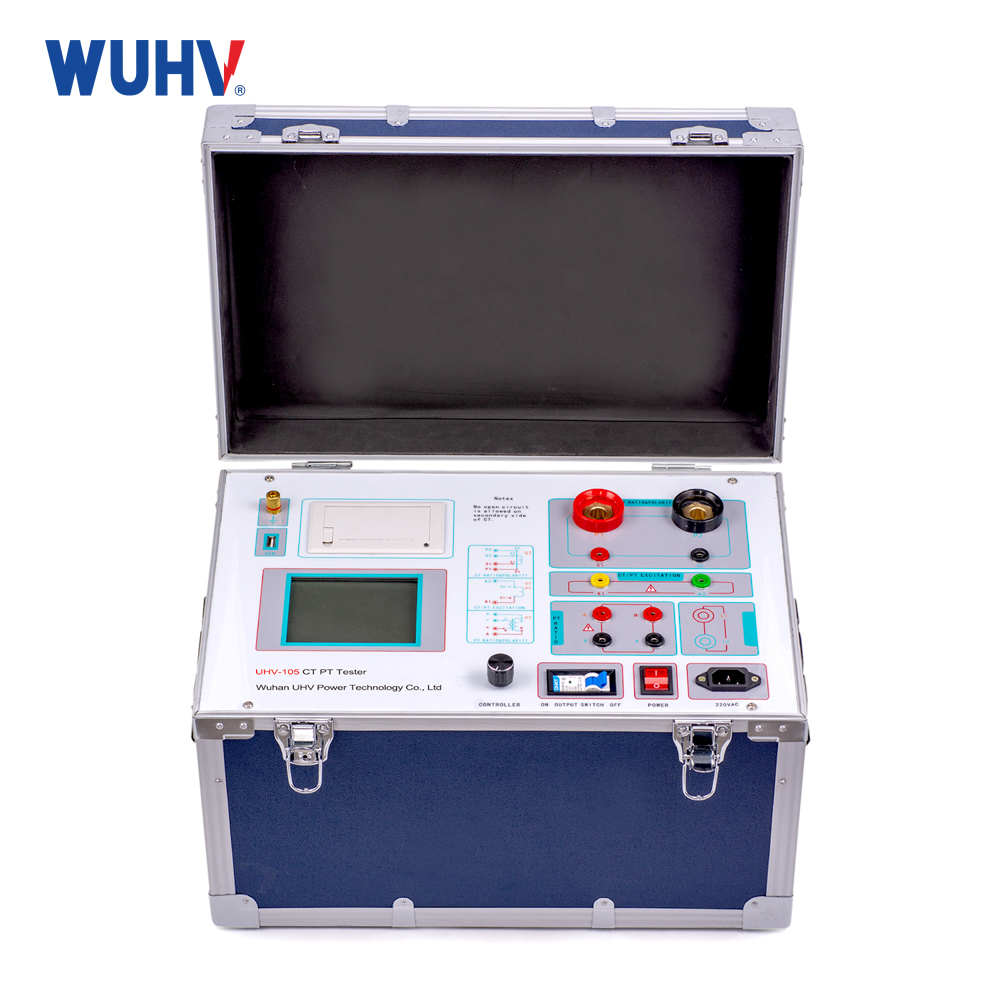
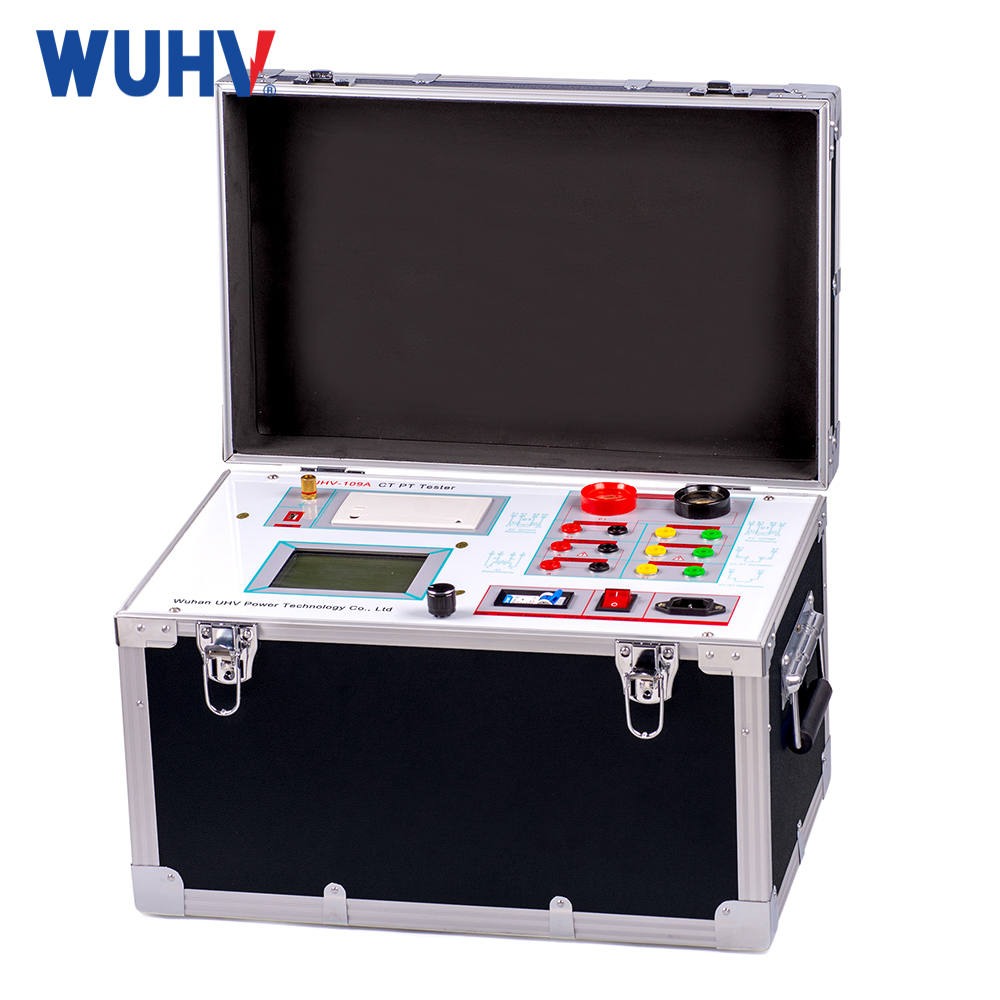
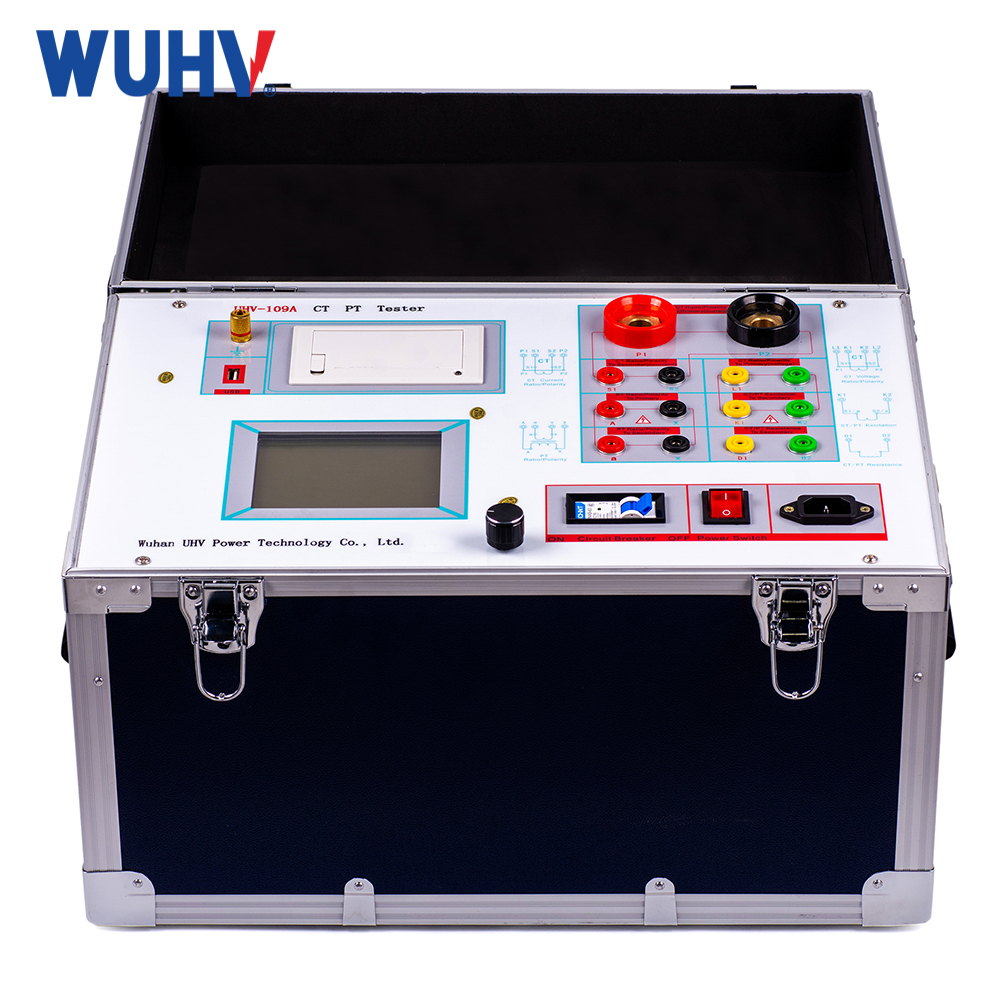
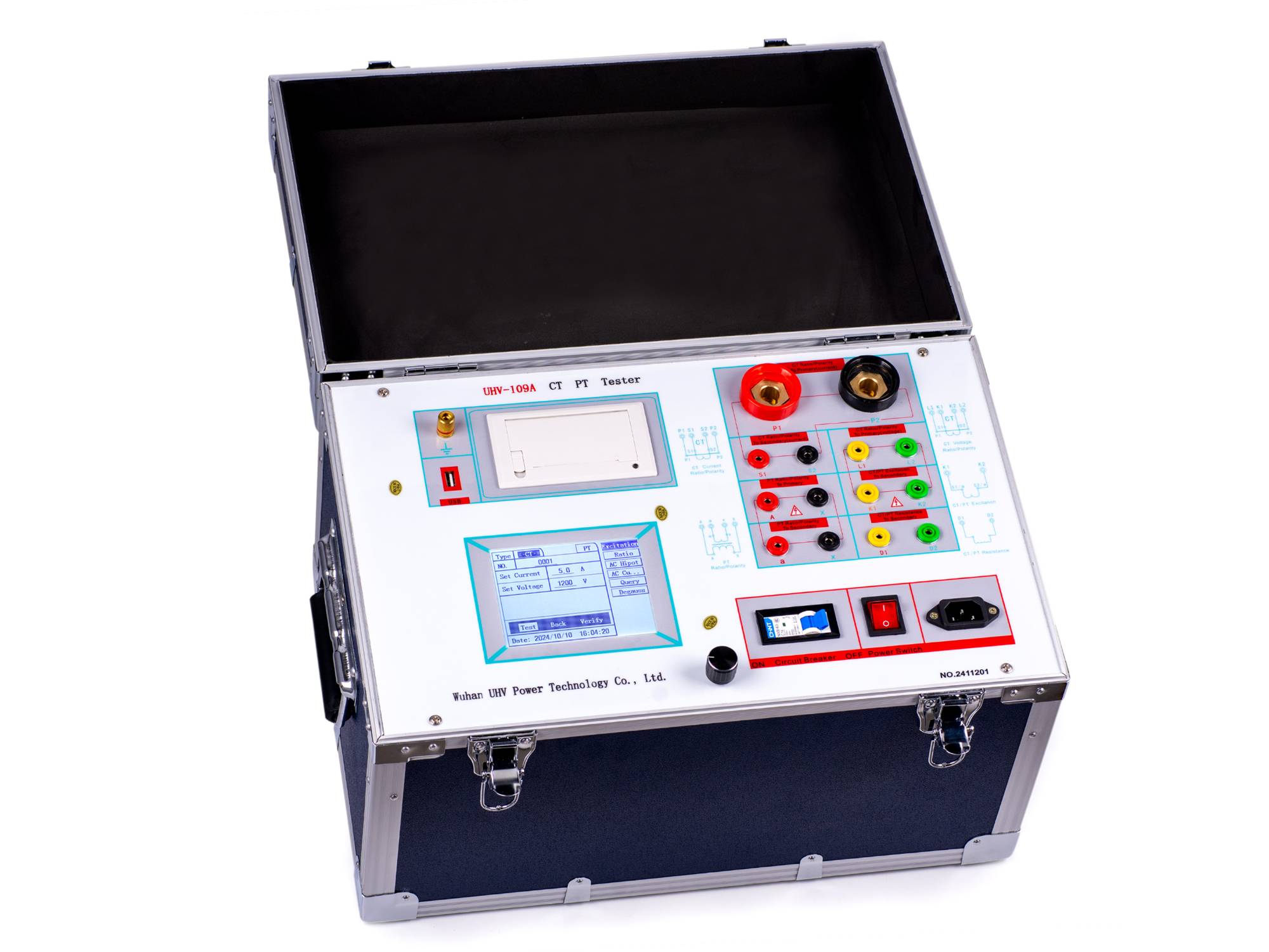
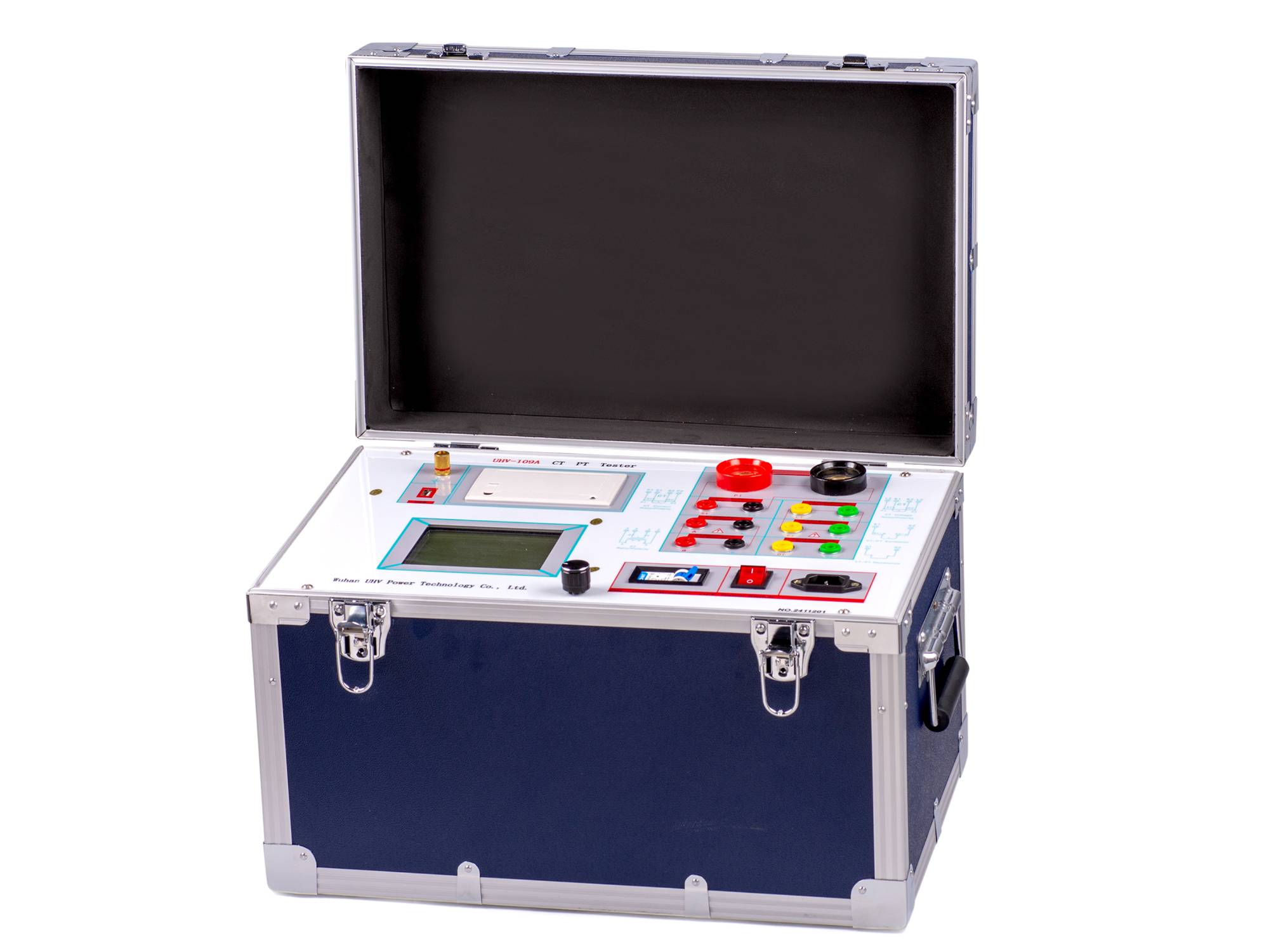
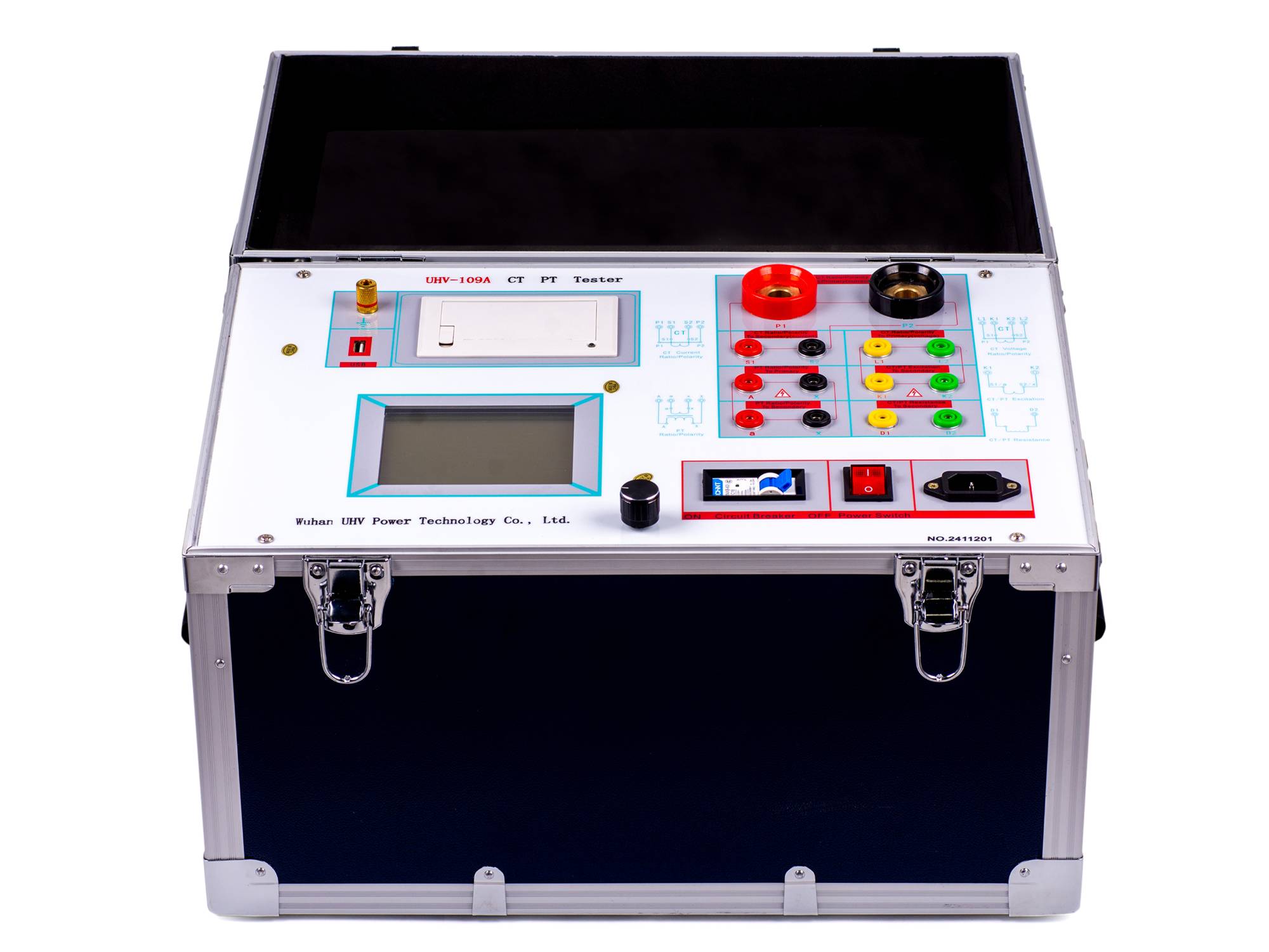
Wuhan UHV Power Technology Co.,Ltd., is a professional manufacturer and supplier of high-voltage power testing equipment in China.It can perform automated laboratory level verification of protection level (P level) and metrology level CT/PT in the on-site environment, with single machine operation (zero external attachments), automatic inflection point detection, 5%/10% error curve generation, and reporting functions in accordance with GB 20840.3-2013/IEC standards. Its portable design with a weight of ≤ 22kg integrates a thermal printer for real-time on-site reporting, 3000+battery supported test records, and one click USB Word report generation, reducing debugging time by 70% while ensuring practical accuracy.
제품 특징
1、Supports CT & PT detection
2、Complies with GB 20840.3-2013 & GB 20840.2-2014
3、Standalone operation—no additional equipment needed
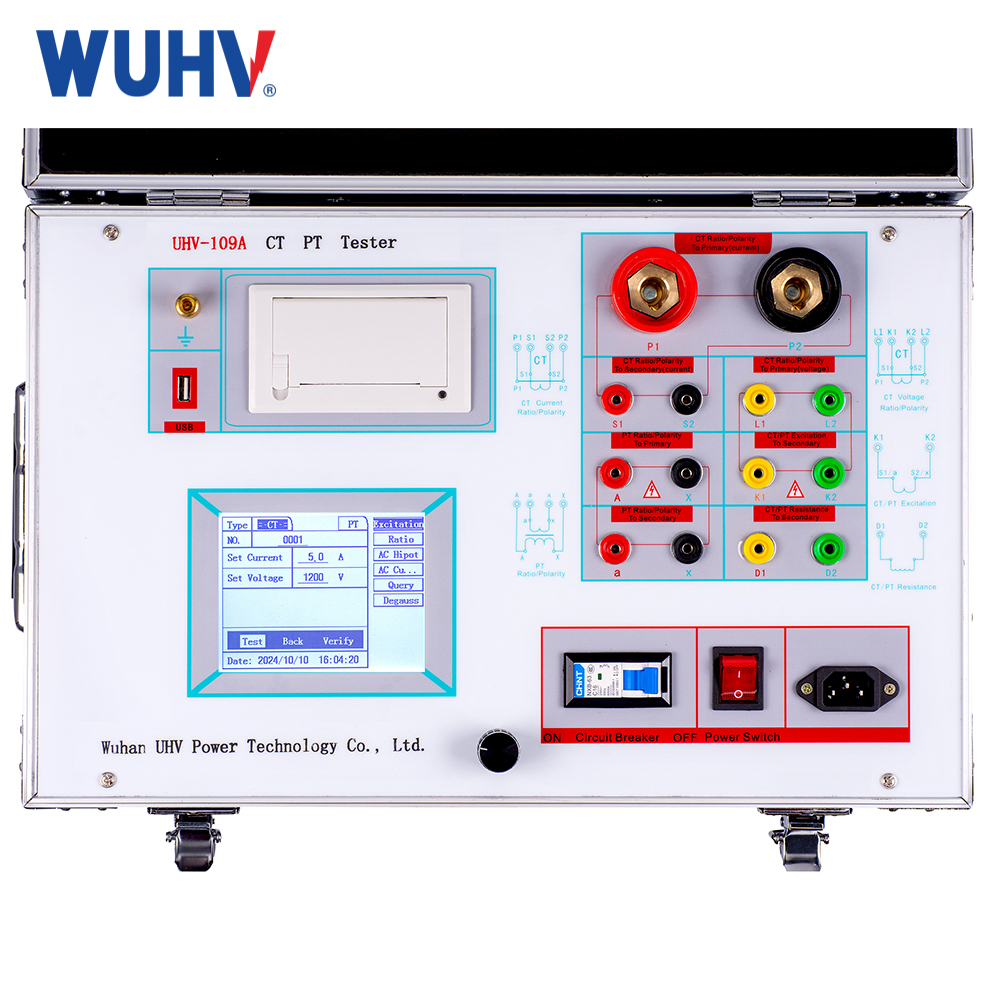
4、Built-in fast micro printer for instant on-site reports
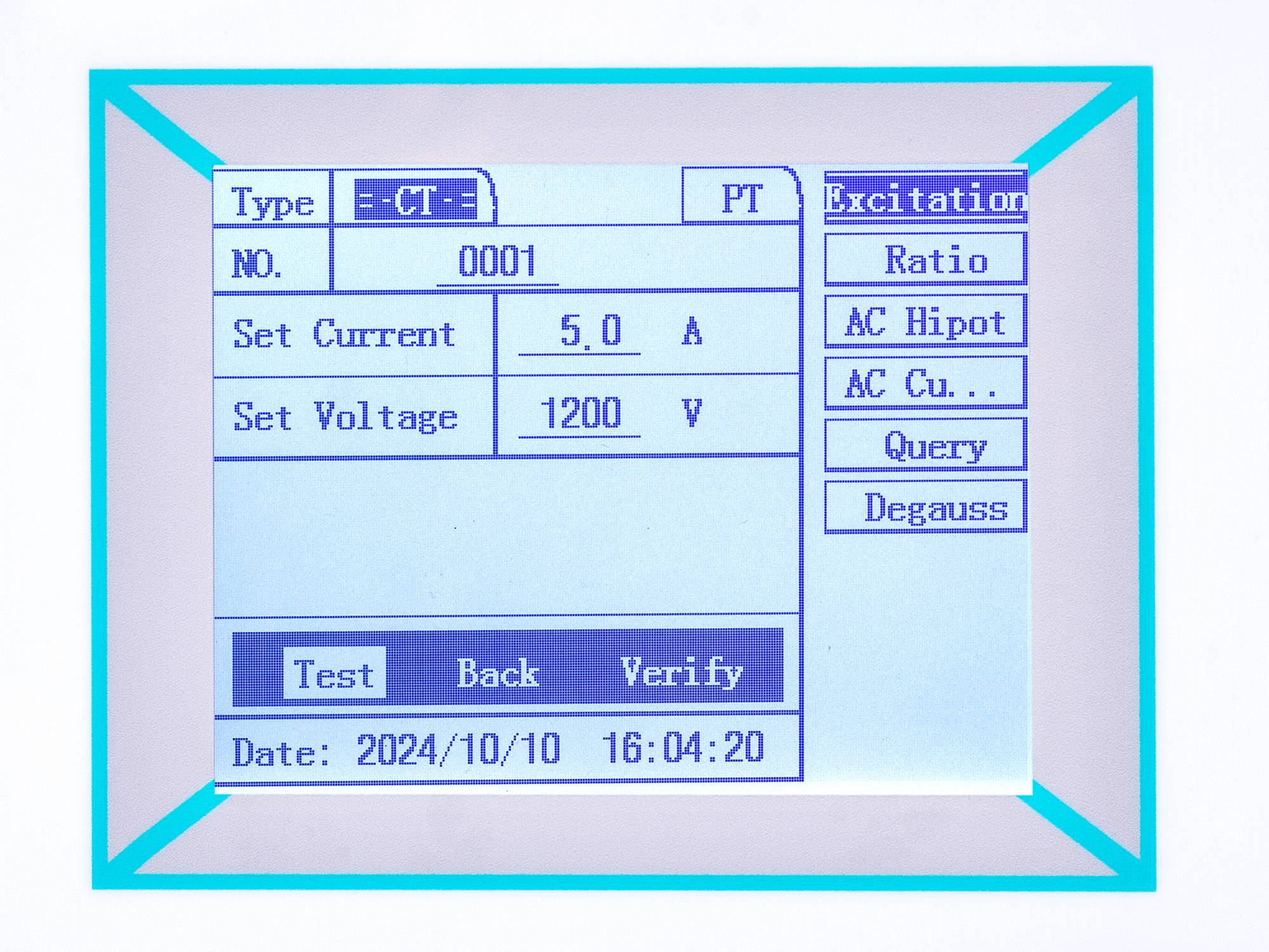
5、User-friendly intelligent controller
6、Large LCD with graphical interface
7、Auto-calculates CT/PT excitation turning point per standards
8、Generates 5% & 10% error curves automatically
9、Stores 3000 test sets with power-off protection
10、USB data transfer & PC-compatible Word report generation
11、Portable design (<22kg) for field testing
 |  |  |
기술적인 매개변수
The main parameters
| Item | 매개변수 | |
| 전원공급장치 | AC220V±10% 、50Hz | |
| 장비 출력 | 0 ~ 2500Vrms, 5kVA (Max set value 20A) | |
| 고전류 출력 | 0~1000A | |
| Excitation precision | ≤0.5%(0.2%* read +0.3%* range) | |
| 중고등 학년 winding resistance 측정 | 범위 | 0.1~300Ω |
| 정도 | ≤0.5%(0.2%* read +0.3%* range) | |
| Secondary actual load 측정 | 범위 | 5~500VA |
| 정도 | ≤0.5%(0.2%* read+0.3%* range) ± 0.1VA | |
| 위상 측정 (Angle difference) | 정도 | 4min |
| 해결 | 0.1분 | |
| Ratio error | 정도 | 0.05% |
| CT Turns Ratio 측정 | 범위 | ≤25000A/5A(5000A/1A) |
| 정도 | ≤0.5% | |
| PT Turns Ratio 측정 | 범위 | ≤500kV |
| 정도 | ≤0.5% | |
| Work condition | Temperature:-10℃ ~ 40℃,Humidity:≤90%,Altitude:≤1000m | |
| 크기 | 410mm × 260mm × 340mm | |
| 무게 | ≤22kg | |
Core Testing Functions
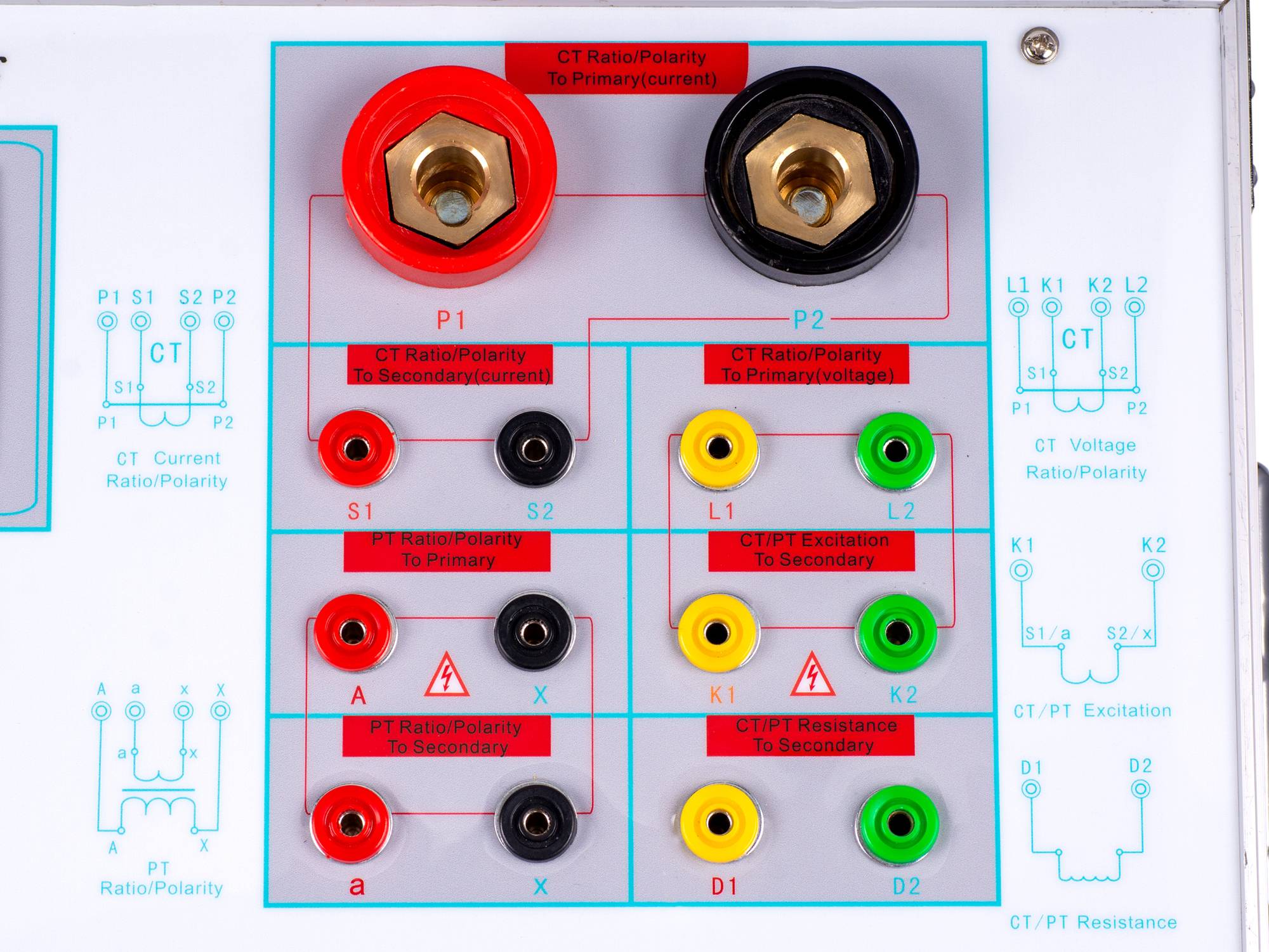
Turns Ratio Test – Precisely measures the current ratio or voltage ratio of the transformer to verify whether it conforms to design parameters, ensuring the accuracy of metering or protection systems.
Polarity Determination – Detects the phase relationship (same polarity or reverse polarity) between the primary and secondary sides of the transformer, preventing maloperation of protection devices or metering errors caused by incorrect polarity.
Excitation Characteristic Test – Applies varying voltages/currents to plot the excitation curve of the transformer, analyzes its core saturation characteristics, and evaluates whether the magnetic circuit design is reasonable.
Error Measurement – Measures ratio error (deviation of the actual turns ratio from the nominal turns ratio) and phase error (phase deviation) to ensure that the transformer's accuracy under rated load complies with relevant standards (e.g., Class 0.2, Class 0.5).
 |  |
Product Advantage
1. Full functional integration
Single machine coverage of all CT/PT testing items, avoiding multi device switching and improving efficiency.
2. Compliant with national standards
Strictly designed according to national standards to ensure the authority of test results, suitable for power equipment acceptance, maintenance, and preventive testing.
3. Convenience of operation
Rotate the mouse and use a graphical interface to lower the operating threshold, making it easy for beginners to quickly get started.
4. Data Security and Sharing
Power down protection storage+USB flash drive transfer, supporting data traceability and team collaboration analysis.
5. On site adaptability
Lightweight design, suitable for outdoor or confined space operations such as substations and power plants.
Applicable Scenarios
Manufacturing process: The transformer manufacturer uses it for factory inspection to ensure that the product performance meets the standards.
Installation and debugging: Verify the compatibility between the transformer and the system during on-site installation.
Regular maintenance: The power company conducts preventive tests on operating equipment to extend its lifespan.
Troubleshooting: Quickly locate the cause of transformer faults (such as insulation breakdown, secondary open circuit), and guide maintenance or replacement.
Frequently Asked Questions (FAQ)
Q1: What types of power equipment is the CT PT characteristic tester mainly used for?
A1: It is mainly used for testing various power equipment such as transformers, current transformers, voltage transformers, reactors, and circuit breakers.
Q2: What exactly does "volt‑ampere characteristic" refer to?
A2: It refers to the electrical performance relationship of equipment under different voltages and currents, which is typically represented as a curve.
Q3: Why is it important for power system safety?
A3: Because it helps us detect potential faults in equipment in a timely manner, prevent power accidents caused by equipment failure, and ensure the safe and stable operation of the power system.
Q4: What factors can affect the volt‑ampere characteristics of equipment?
A4: Material properties, operating environment (such as temperature and humidity), degree of equipment ageing, and external electromagnetic interference can all have an impact.
Q5: How can the CT PT characteristic tester determine whether a transformer is damaged?
A5: The tester can detect whether key parameters such as turns ratio and phase angle exceed the permissible range, or whether abnormal excitation curves appear. Any of these may indicate that the transformer is damaged or has significantly degraded performance.
Q6: Why does the equipment from Wuhan UHV Power Technology Co., Ltd. enjoy a good reputation in the industry?
A6: Because its products excel in accuracy, stability, durability, and after‑sales service, meeting the high standards required for power testing applications.And we can provide the best professional CT PT Turns Ratio Tester for sales and competitive price.