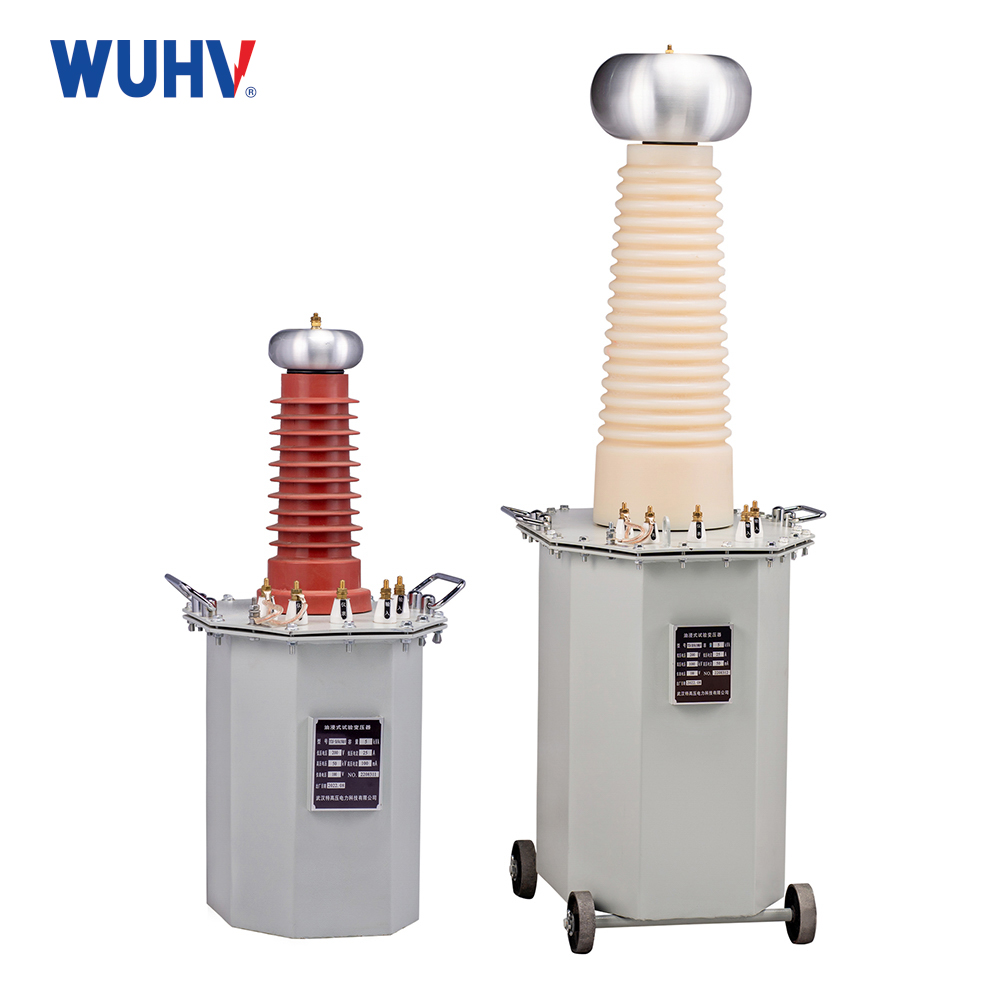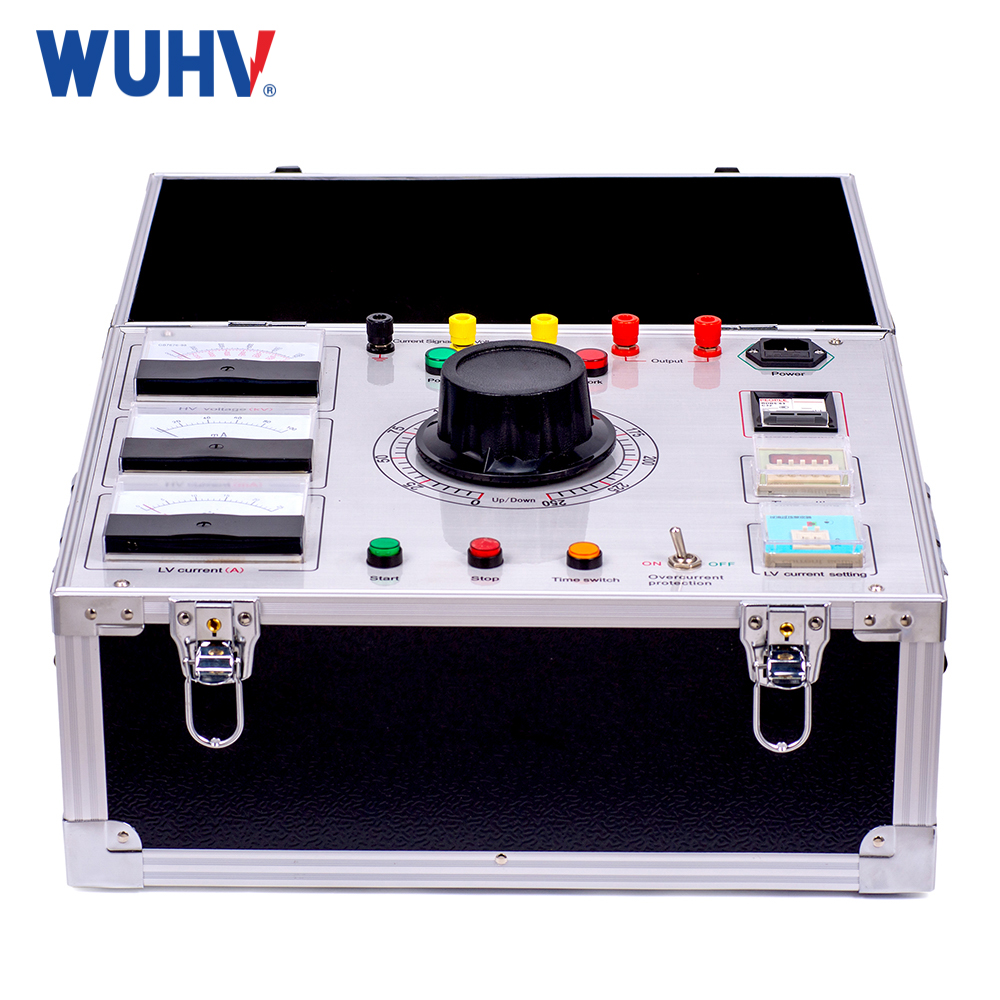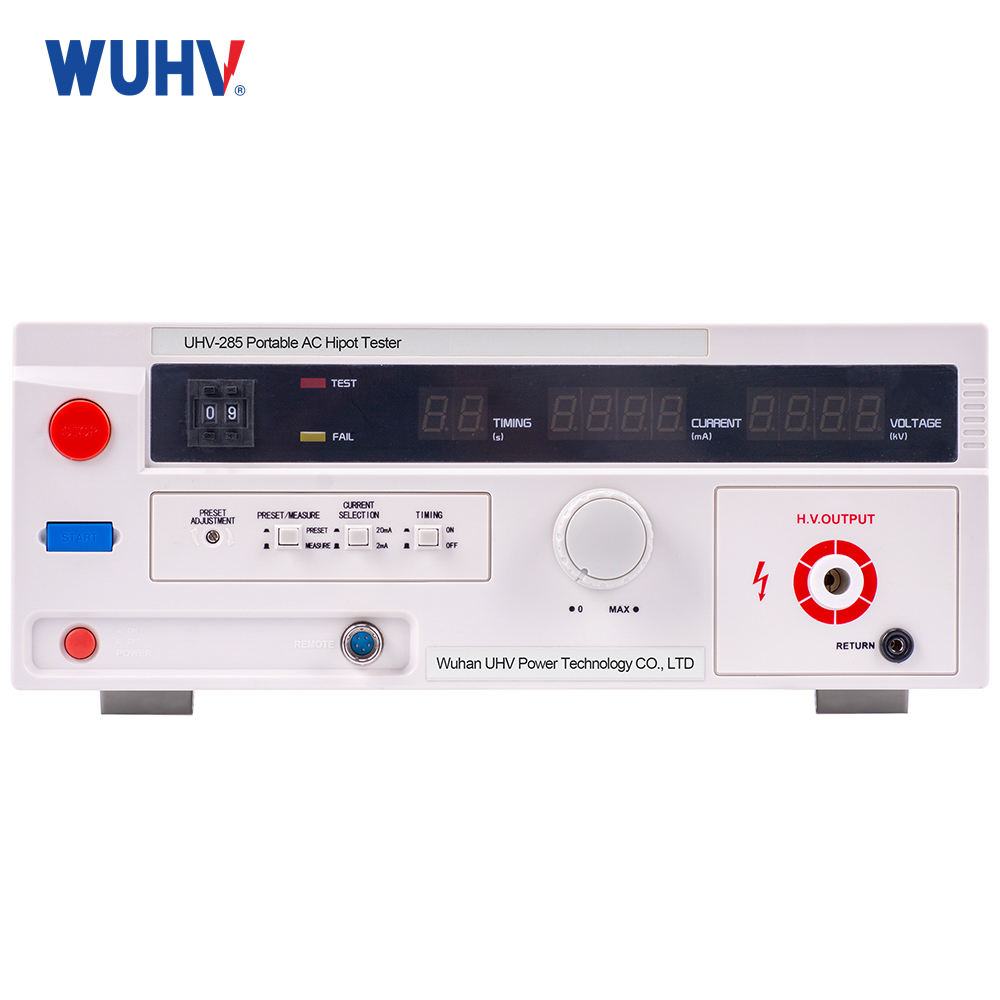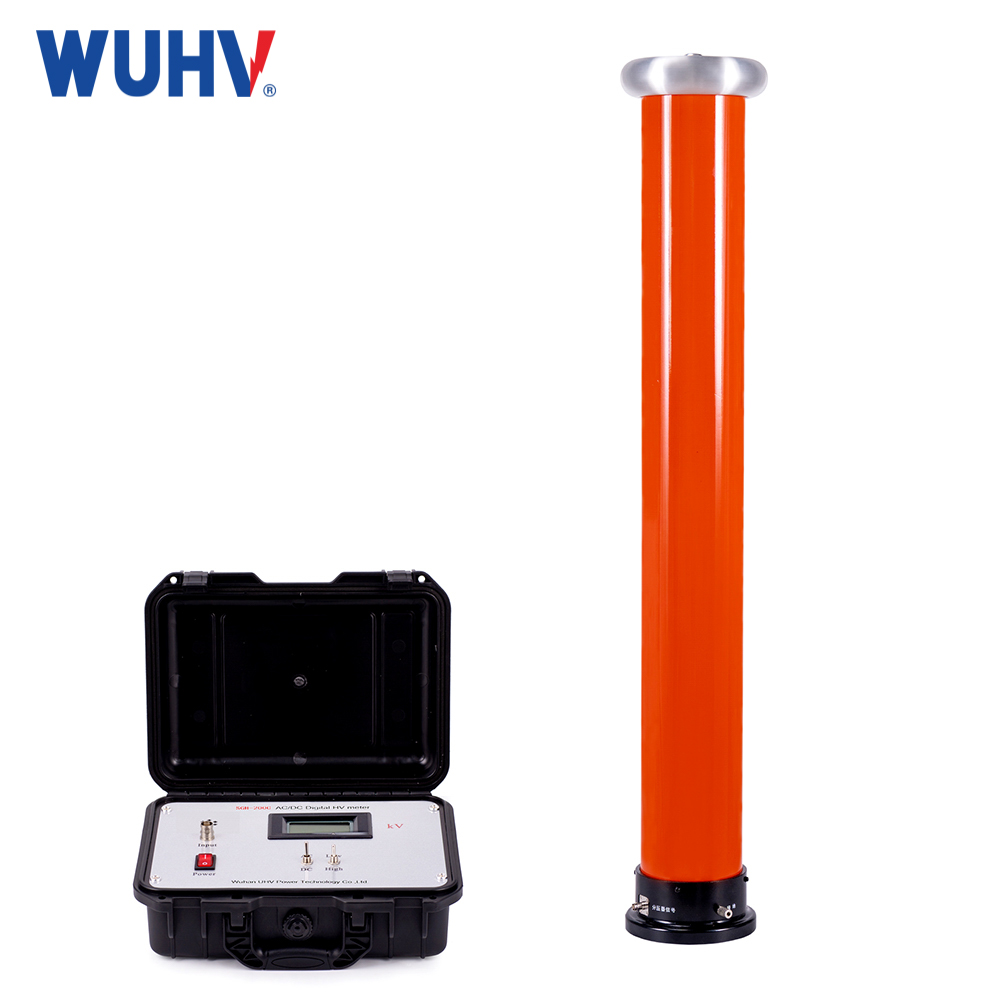



Product Introduction
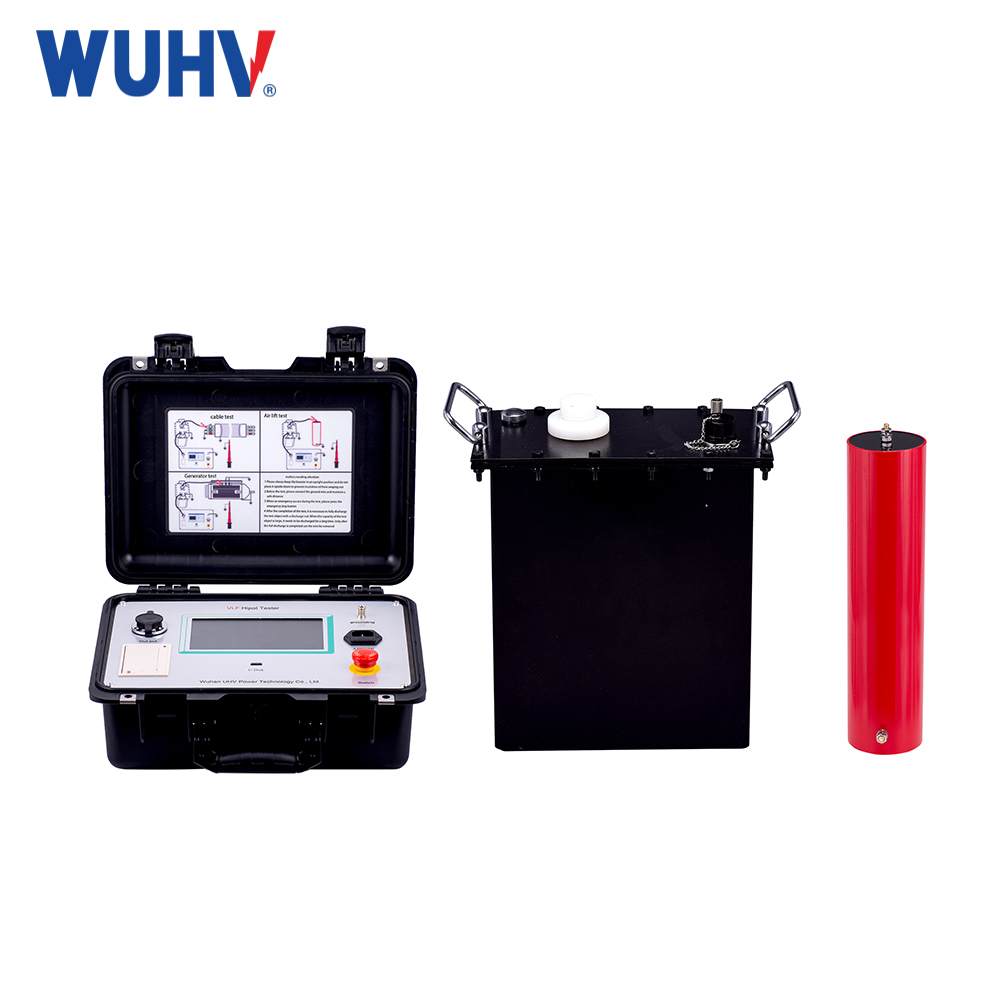
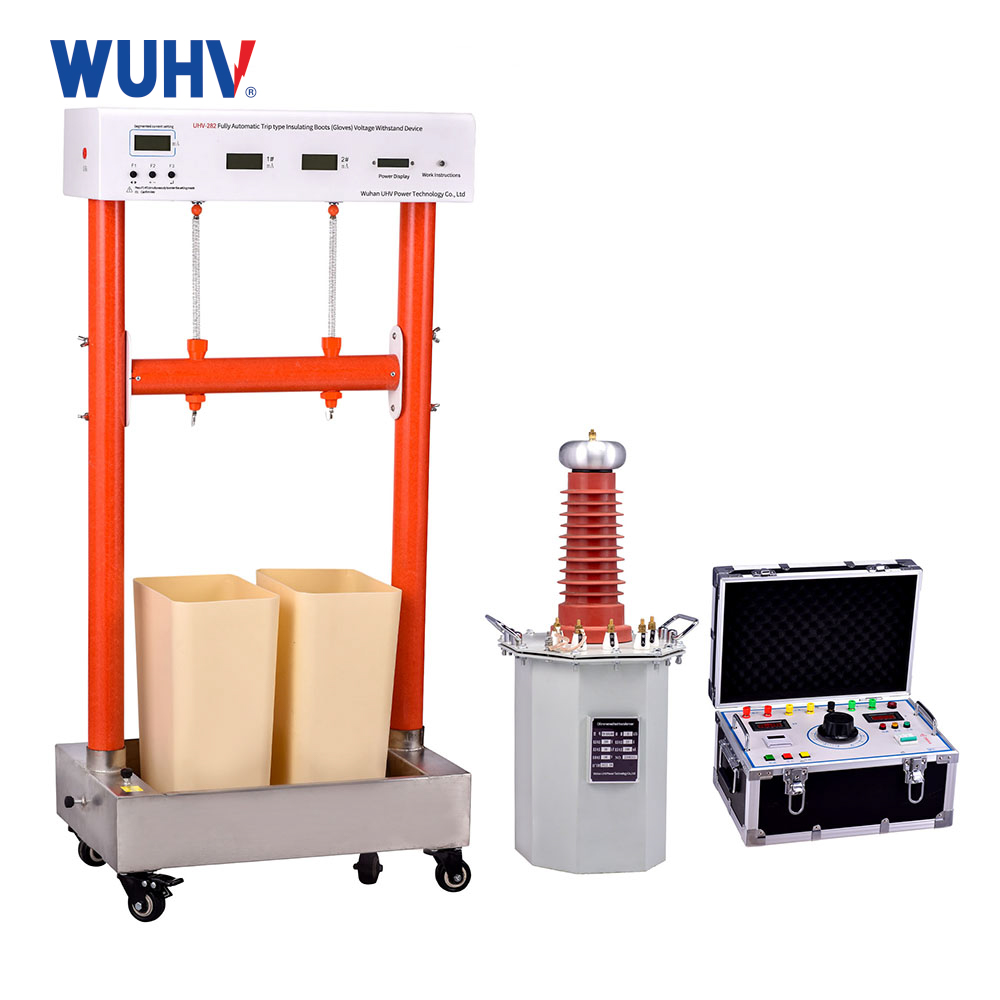
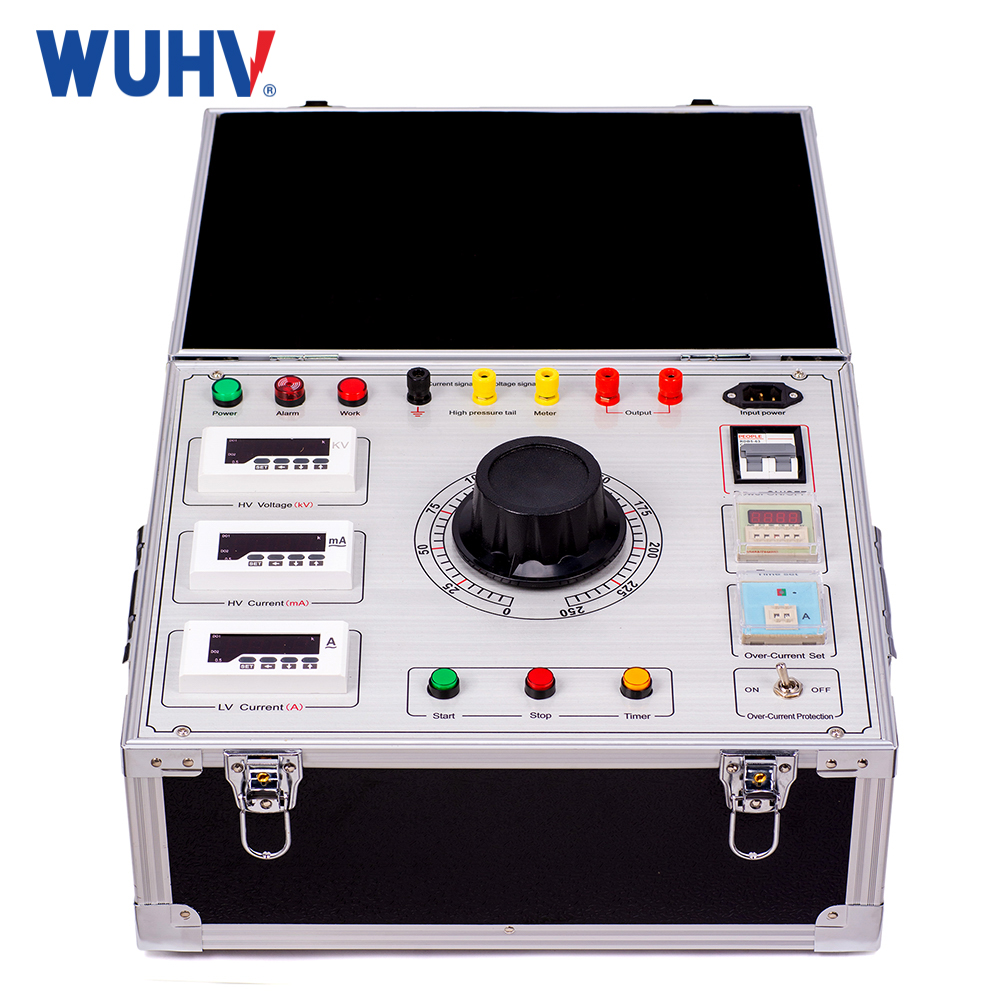
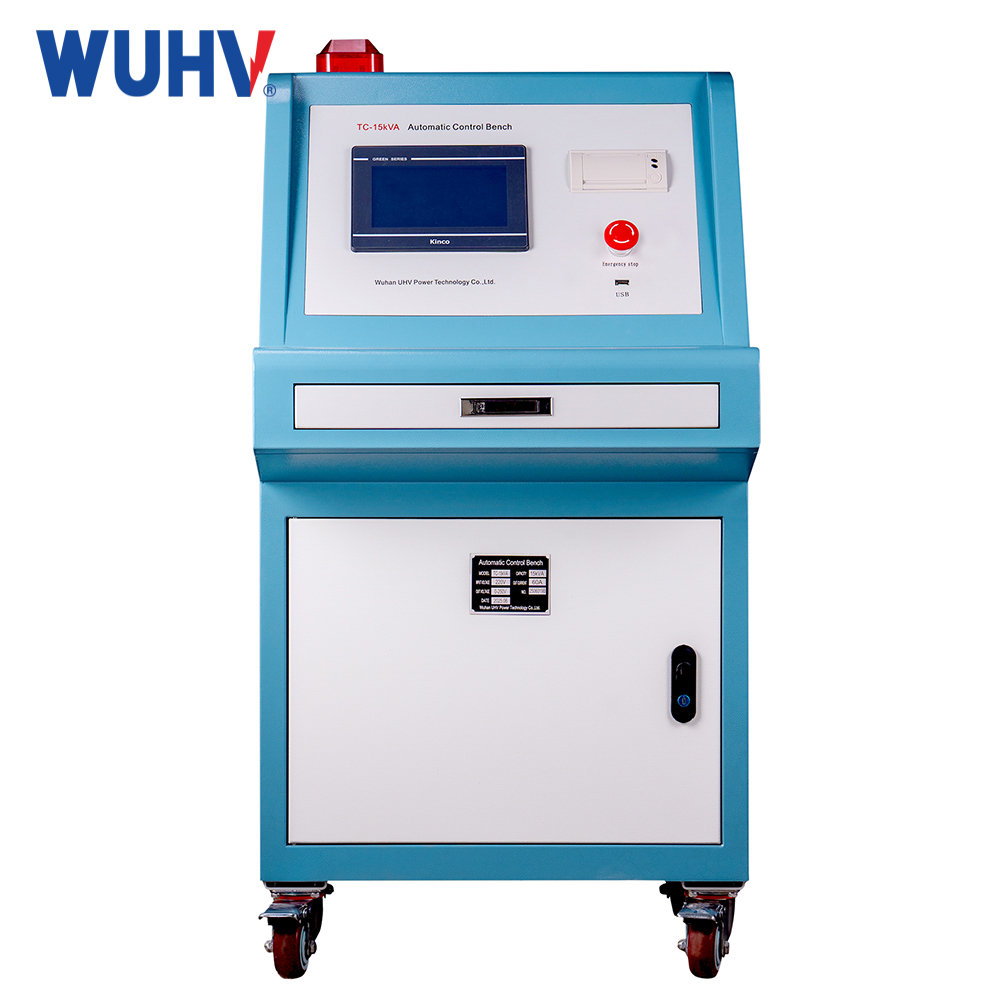
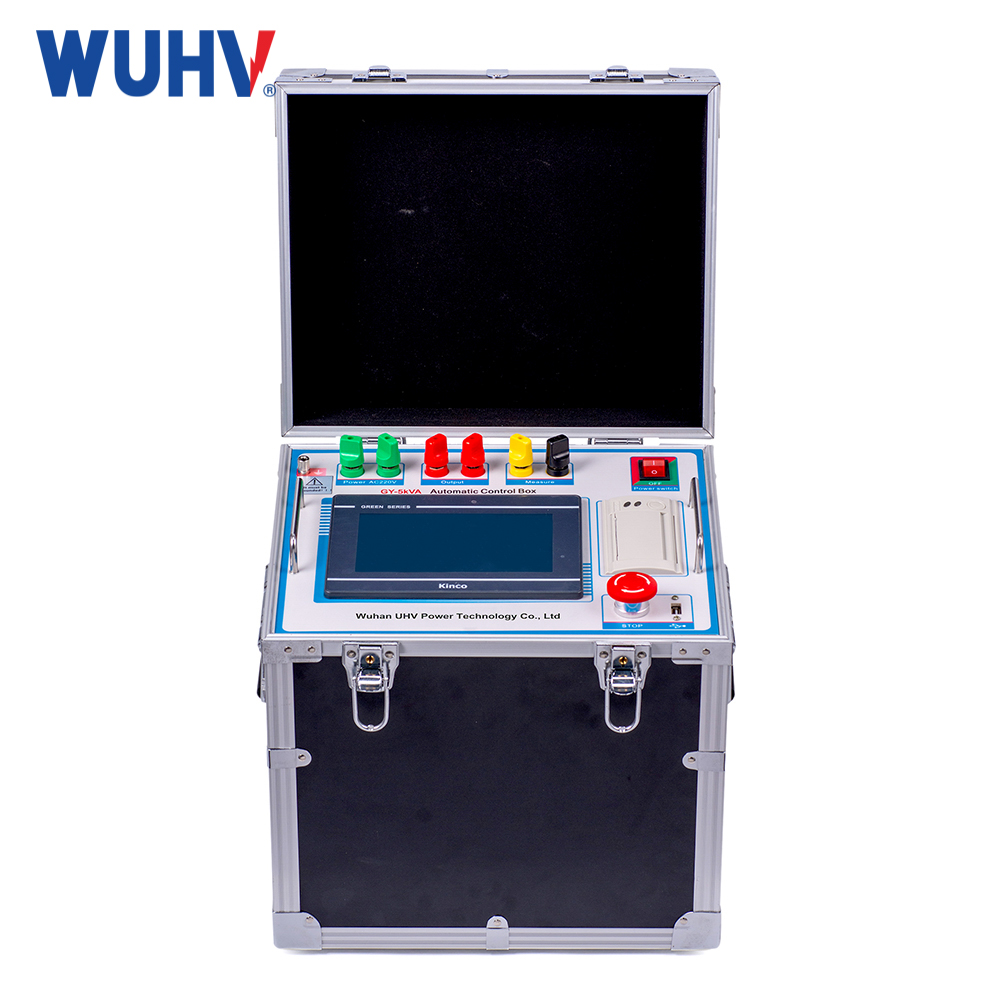
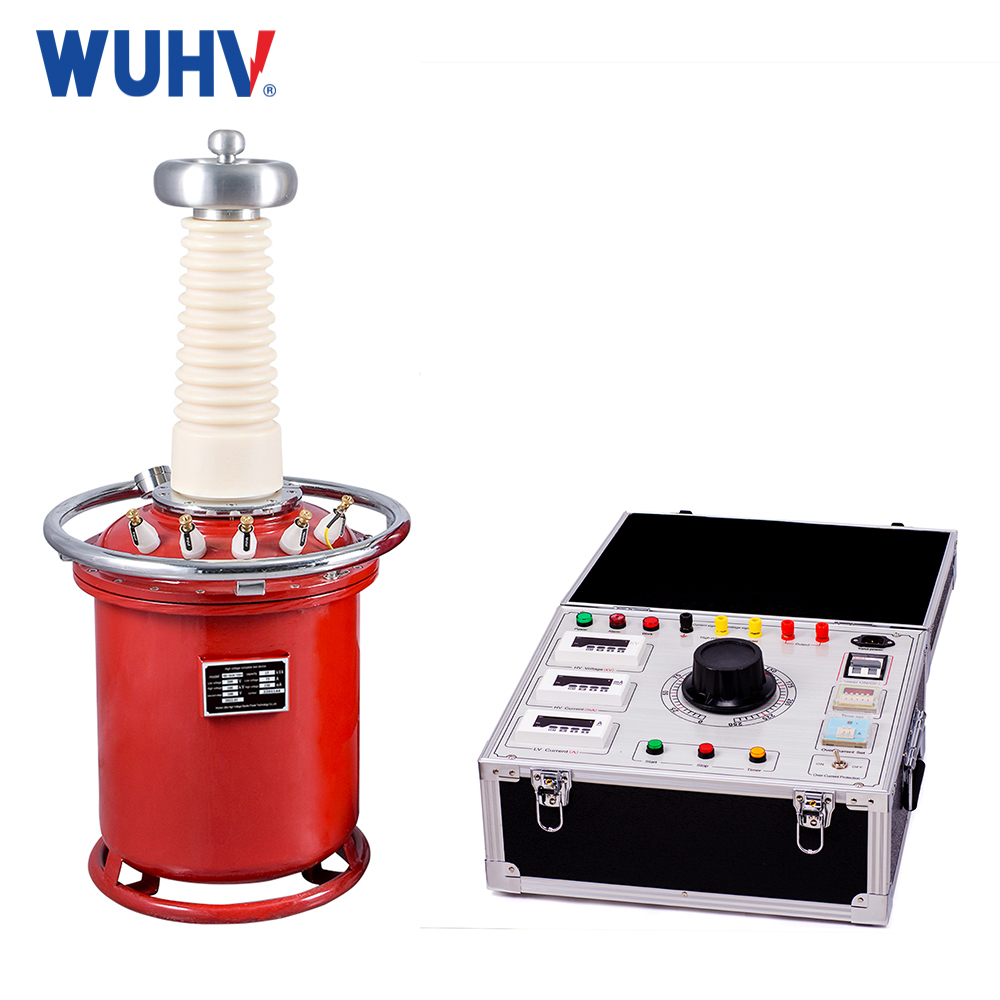
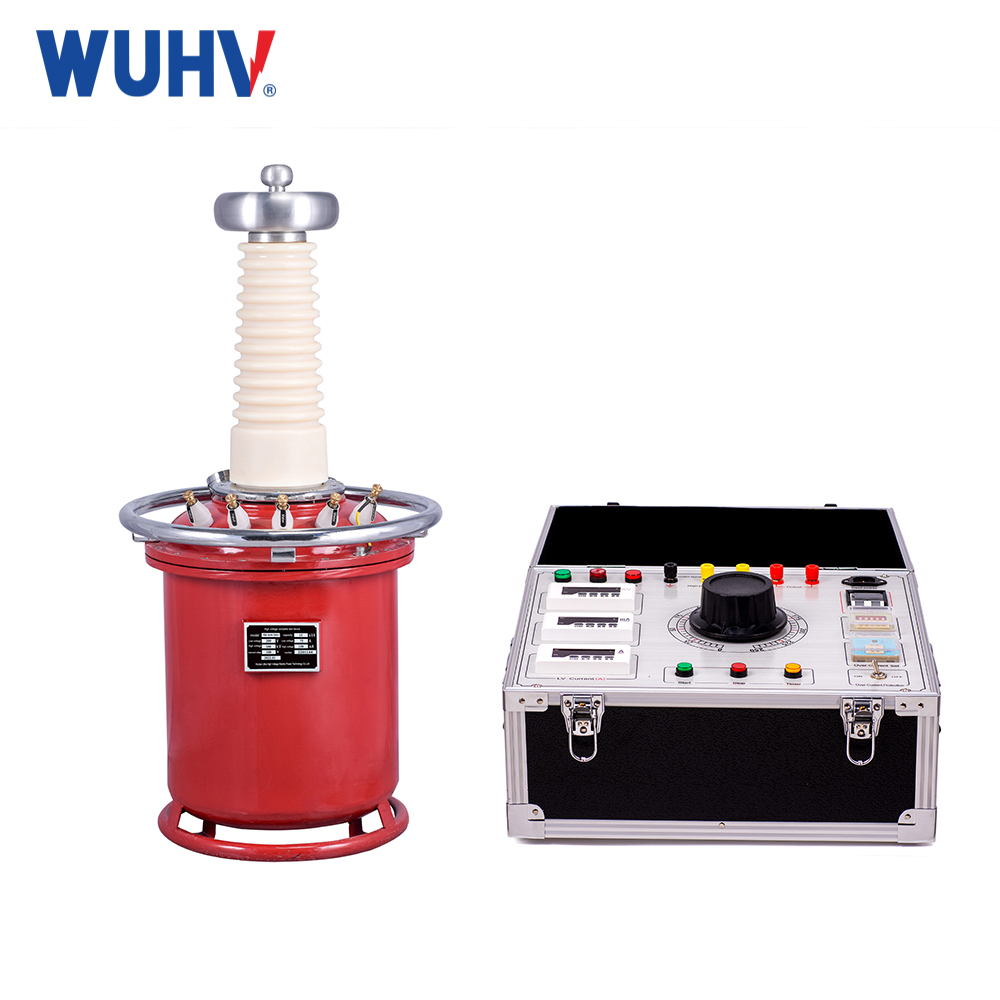
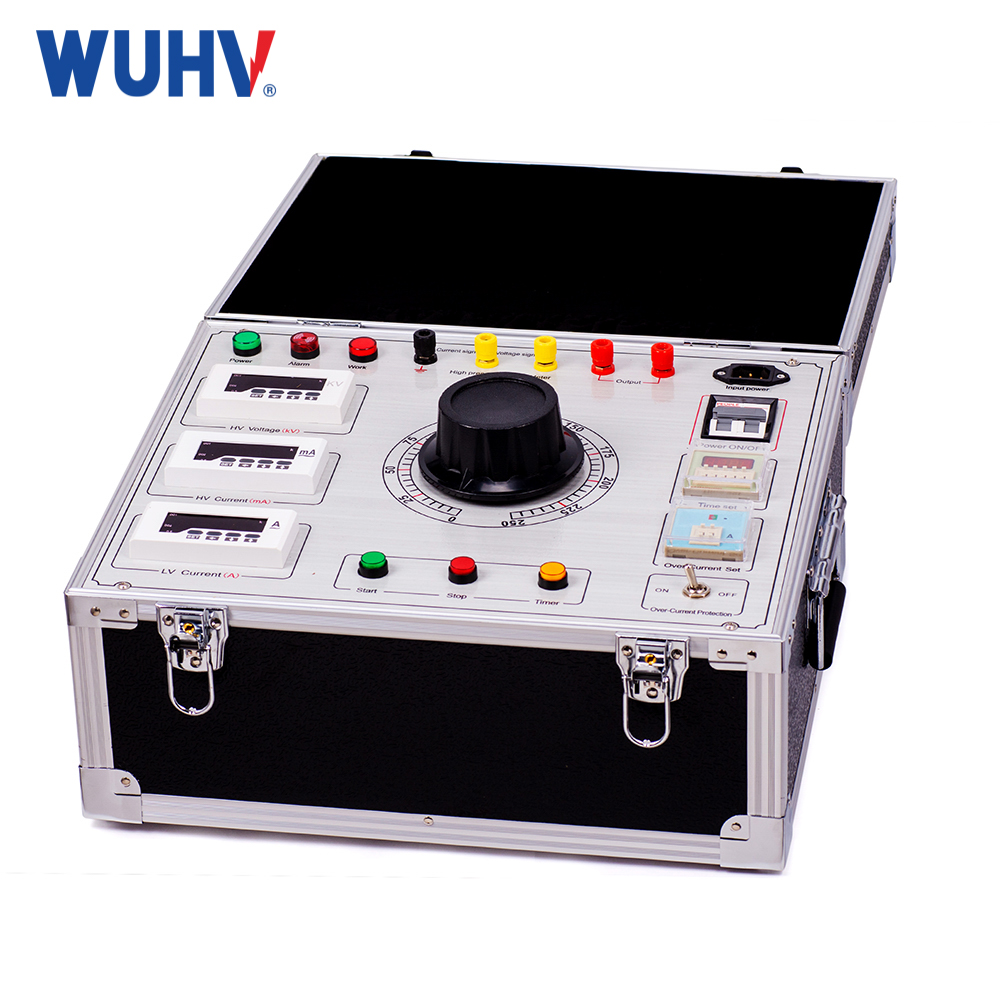
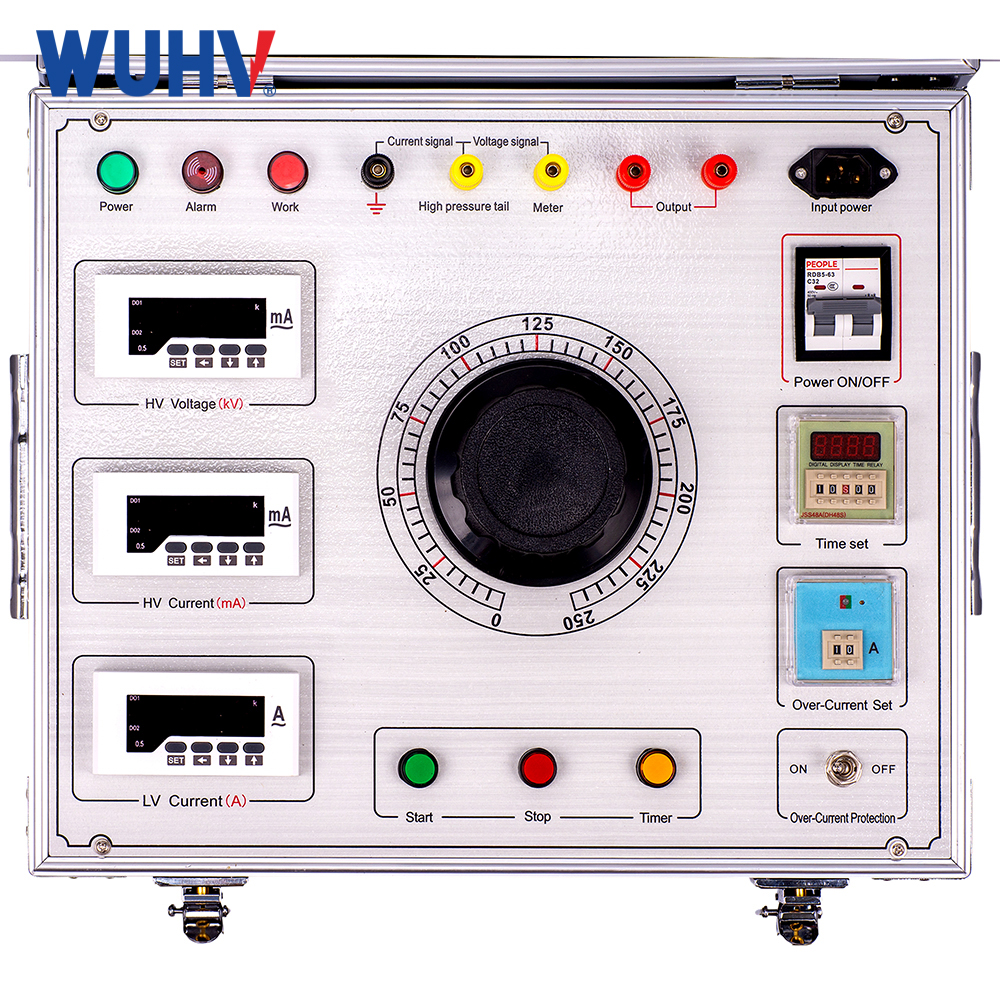
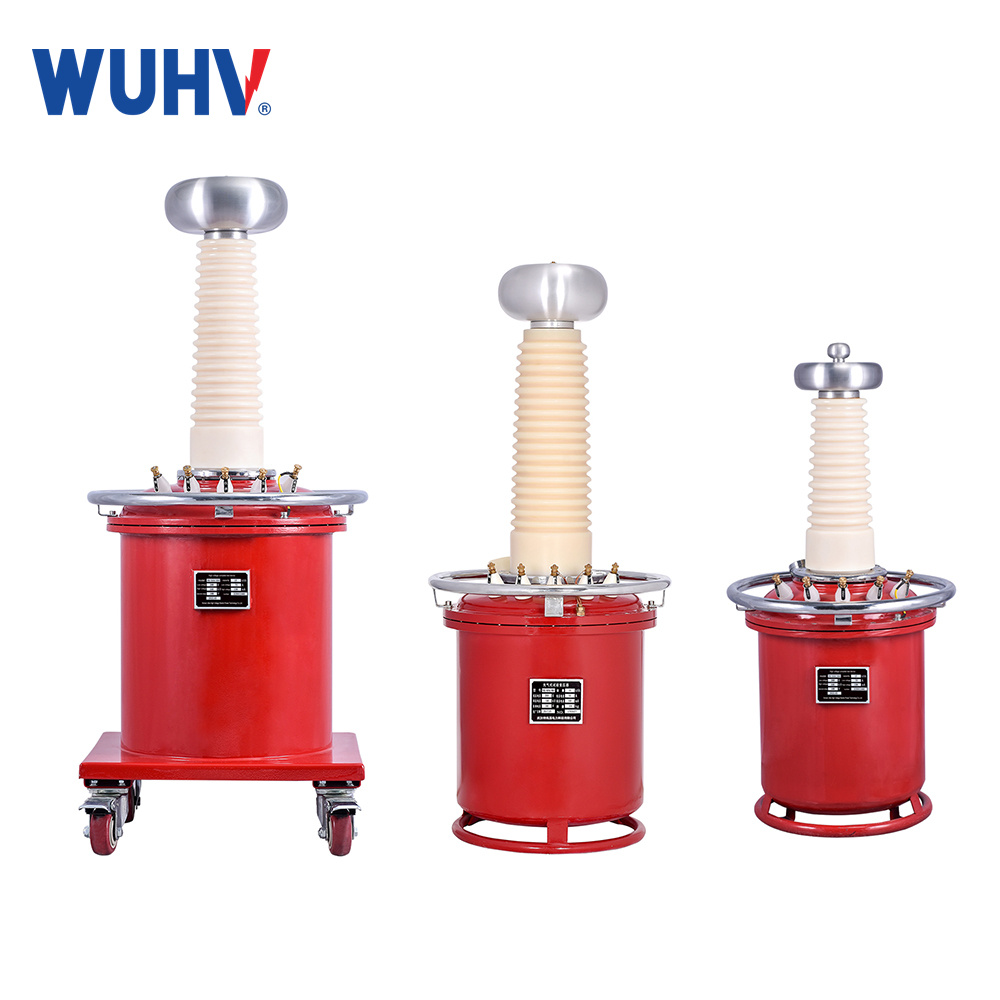
The YDQ Digital Display 5kVA AC/DC Hipot Tester is a modern, microprocessor-controlled instrument designed for precise dielectric withstand testing on electrical equipment such as transformers and cables. The digital display 5kVA ac/dc hipot tester key advantages include a robust 5kVA capacity for testing capacitive loads, a clear digital interface for accurate voltage and leakage current readings, programmable test sequences for automated operation, and data logging capabilities for result documentation and compliance reporting. This combination of power, precision, and automation makes it ideal for both quality control in manufacturing and maintenance testing in electrical utilities.
기술적인 매개변수
전압 등급 | 10Kv-300kV |
용량 범위 | 1-500KVA |
임피던스 전압 | ≤8% |
무부하 전류 | <7% |
상품 유형 | AC, AC&DC, AC 캐스케이드, AC DC 캐스케이드. |
주요사양
모델 | 용량 (kVA) | HV (kV) | HV 전류 (엄마) | 입력 전압 | 비율 | 온도 상승 ℃(30분) | |
전압(V) | 전류(A) | ||||||
YDQ-1.5/50 | 1.5 | 50 | 30 | 200 | 7.5 | 500 | 10 |
YDQ-3/50 | 3 | 50 | 60 | 200 | 15 | 500 | 10 |
YDQ-5/50 | 5 | 50 | 100 | 200 | 25 | 500 | 10 |
YDQ-10/50 | 10 | 50 | 200 | 200 | 50 | 500 | 10 |
YDQ-20/50 | 20 | 50 | 400 | 400 | 53 | 500 | 10 |
YDQ-30/50 | 30 | 50 | 600 | 400 | 79 | 500 | 10 |
YDQ-50/50 | 50 | 50 | 1000 | 400 | 12 | 500 | 10 |
YDQ-5/100 | 5 | 100 | 50 | 200 | 25 | 1000 | 10 |
YDQ-10/100 | 10 | 100 | 100 | 200 | 50 | 1000 | 10 |
YDQ-20/100 | 20 | 100 | 200 | 400 | 53 | 1000 | 10 |
YDQ-30/100 | 30 | 100 | 300 | 400 | 79 | 1000 | 10 |
YDQ-50/100 | 50 | 100 | 500 | 400 | 132 | 1000 | 10 |
YDQ-20/150 | 20 | 150 | 133 | 400 | 53 | 1500 | 10 |
YDQ-30/150 | 30 | 150 | 200 | 400 | 80 | 1500 | 10 |
YDQ-50/150 | 50 | 150 | 333 | 400 | 132 | 1500 | 10 |
YDQ-100/150 | 100 | 150 | 667 | 400 | 263 | 1500 | 10 |
YDQ-50/200 | 50 | 200 | 250 | 400 | 132 | 2000 | 10 |
YDQ-100/200 | 100 | 200 | 500 | 400 | 263 | 2000 | 10 |
YDQ-150/200 | 150 | 200 | 750 | 400 | 395 | 2000 | 10 |
YDQ-200/200 | 200 | 200 | 1000 | 400 | 526 | 2000 | 10 |
YDQ-300/200 | 300 | 200 | 1500 | 400 | 790 | 2000 | 10 |
YDQ-50/300 | 50 | 300 | 170 | 400 | 132 | 3000 | 10 |
YDQ-100/300 | 100 | 300 | 333 | 400 | 263 | 3000 | 10 |
YDQ-150/300 | 150 | 300 | 500 | 400 | 395 | 3000 | 10 |
YDQ-200/300 | 200 | 300 | 667 | 400 | 526 | 3000 | 10 |
YDQ-300/300 | 300 | 300 | 1000 | 400 | 790 | 3000 | 10 |
Core Advantages
1. Small size and light weight: Due to its good heat dissipation and insulation performance, SF6 gas has a volume and weight that is only 1/3 to 1/2 of oil immersed transformers at the same voltage level. Very conducive to outdoor mobile operations and installation in narrow spaces.
2. Fire and explosion prevention: SF6 gas is non flammable and the equipment is oil-free, completely eliminating the risk of fire caused by oil leakage.The digital display 5kVA ac/dc hipot tester manufactures has extremely high safety and is particularly suitable for urban power grids and densely populated areas.
3. Excellent moisture resistance: The sealed structure prevents external moisture from entering, and the insulation performance is not affected by environmental humidity. Even in rainy or high humidity areas, digital display 5kVA ac/dc hipot tester supplier can be used directly without drying treatment.
4. Good maintenance free performance: Under normal operation, the gas leakage rate is extremely low, and there is no need for frequent filtration or replacement of insulation oil like oil immersed models, greatly reducing maintenance workload.
Typical application scenarios
Mainly used in power systems, large industrial and mining enterprises, and research institutes:
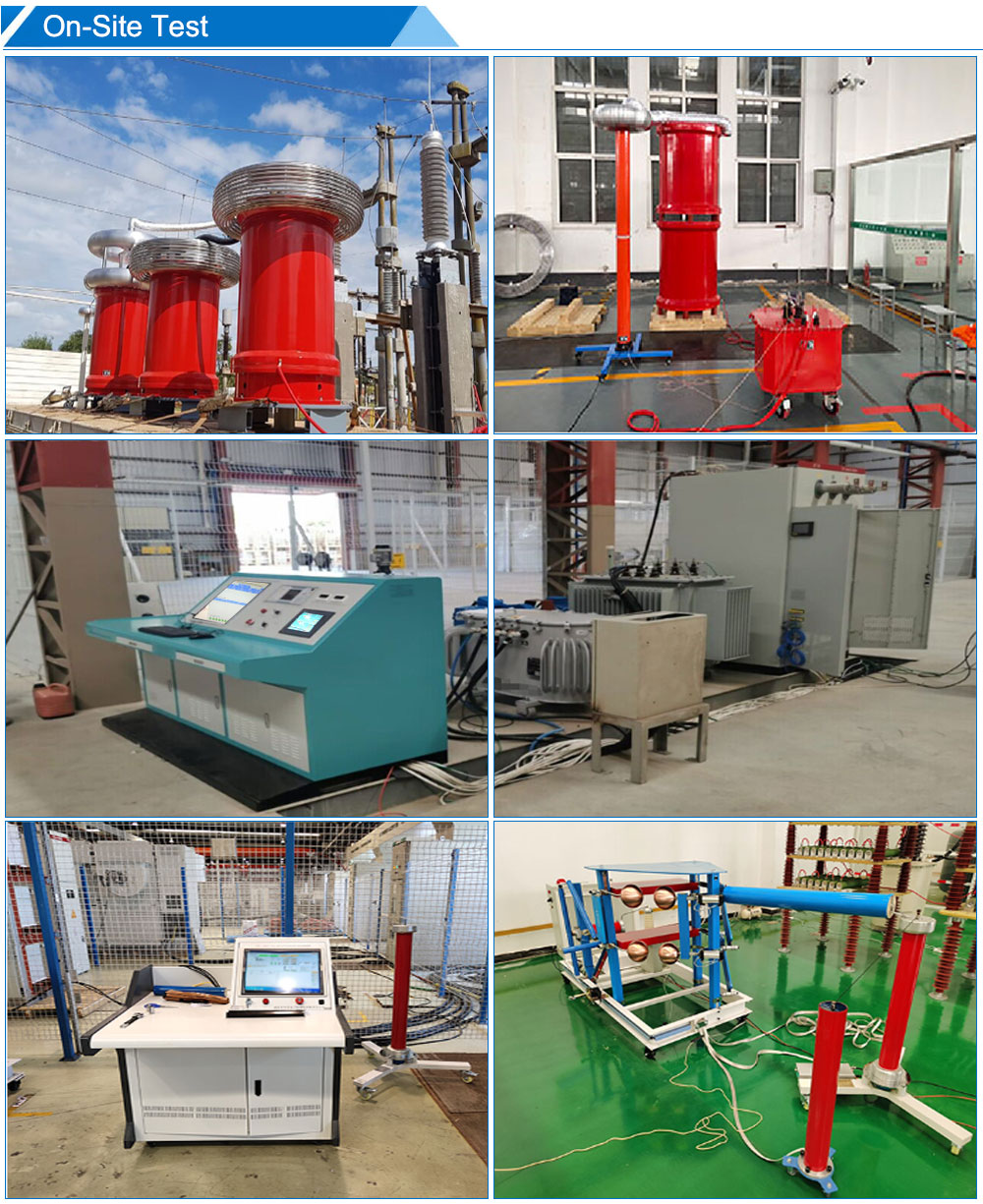
Factory test: As a high-voltage power supply, conduct voltage withstand assessment on transformers and power cables.
Preventive test: Cooperate with the control panel to perform AC withstand voltage on the operating switchgear.
The excitation transformer in the series resonance device is often used as the core boosting component of the variable frequency series resonance withstand voltage test system.
After-sales service
We provide comprehensive after-sales support, including:
Online technical support
Installation and debugging guidance
Operation Training
Video remote assistance
One-year warranty
Lifetime technical support
Quick repair service
What parameters are required when selecting an inflatable test transformer?
Required output voltage (kV)
Output capacity (kVA)
Type of equipment being tested (cable, GIS, transformer, etc.)
The capacitance or length of the test sample
Input power supply (220V/380V)
Operating frequency (50Hz/60Hz)
Do you need cascading use
Operating environment (laboratory or on-site)
Do you need accessories such as a control console and a high-voltage divider
Frequently Asked Questions
1 What is the difference between inflatable test transformers and traditional oil immersed test transformers? How should I choose?
Core difference: Different media. Inflatable type uses SF6 or mixed gas insulation, while oil immersed type uses transformer oil.
The advantages of inflatable type: light weight (40%~60% lighter than oil immersed type under the same voltage level), no oil leakage or fire (high fire resistance level), good moisture resistance (gas seal, not affected by environmental humidity), small size.
Selection suggestion: If you often need outdoor on-site testing, high-altitude handling, or use in high-altitude and humid areas, priority should be given to inflatable models; If only placed in a fixed laboratory with limited budget, oil immersed models have a higher cost-effectiveness.
2. Why is it necessary to discharge immediately after the experiment is completed?
The internal capacitance of an inflatable transformer is relatively large, which can store a large amount of residual charge. After cutting off the power supply, the test sample and transformer bushing must be fully discharged with a discharge resistor (rather than a direct short circuit) first, and then connected with a grounding rod. If the discharge is directly short circuited, the huge surge current will damage the insulation of the transformer winding and even break through the high-voltage bushing.
3. Is SF6 gas highly toxic? What should I do if there is a leak?
Pure SF6 is non-toxic and non flammable, but has a higher density than air and can deposit in enclosed spaces, leading to hypoxia and suffocation.
Fatal risk: SF6 will decompose into toxic low fluoride compounds at high arc temperatures. If you smell an odor similar to rotten eggs or rotten fish, it indicates that there has been an internal discharge and leakage. You should evacuate immediately and ventilate.
Leakage treatment: If the air pressure slowly decreases (annual leakage rate ≤ 1% is normal), it is necessary to find the leakage point and replenish the air; If it drops rapidly, it is strictly prohibited to apply high pressure and must be returned to the factory for maintenance.