Product Introduction
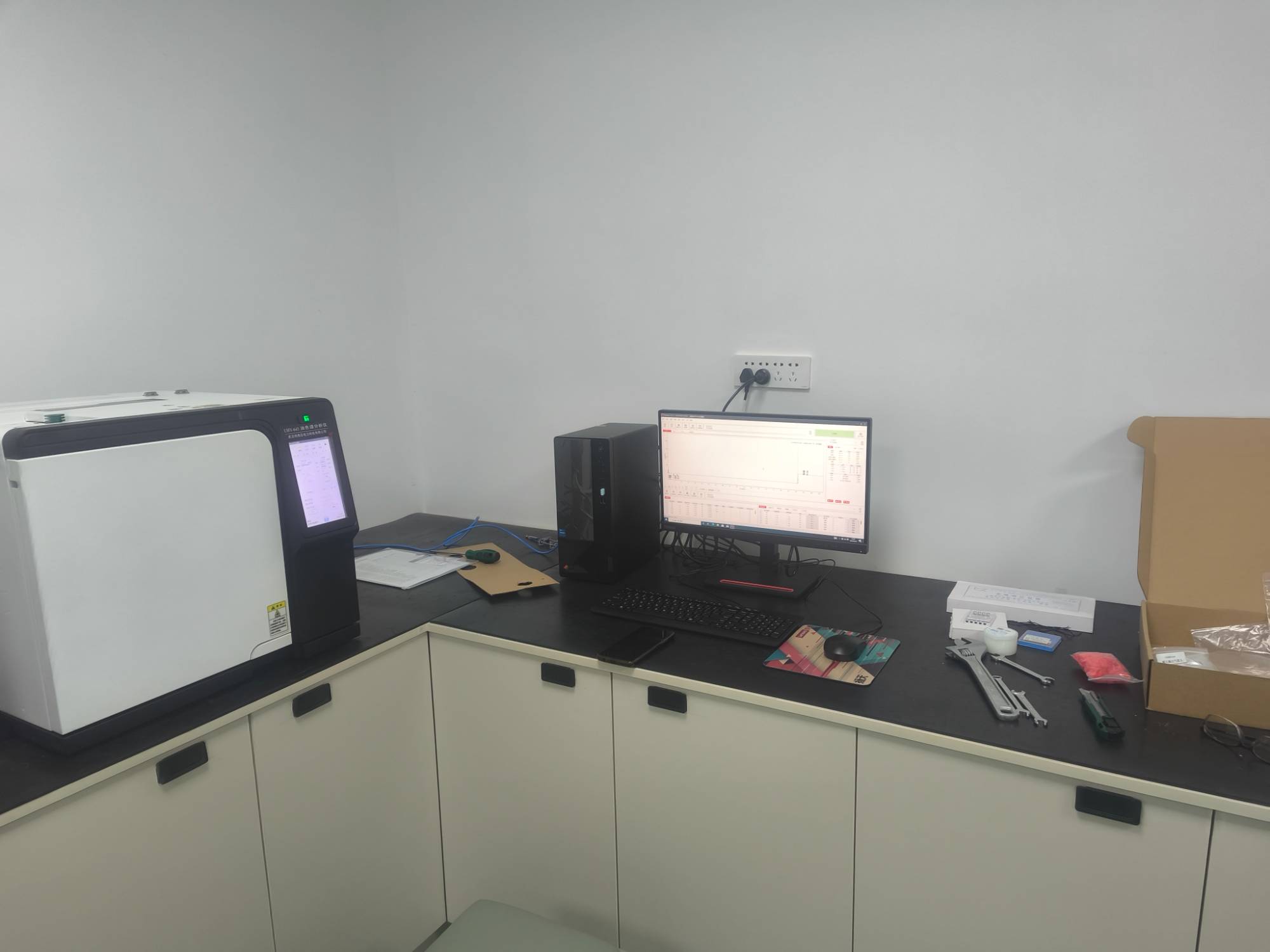
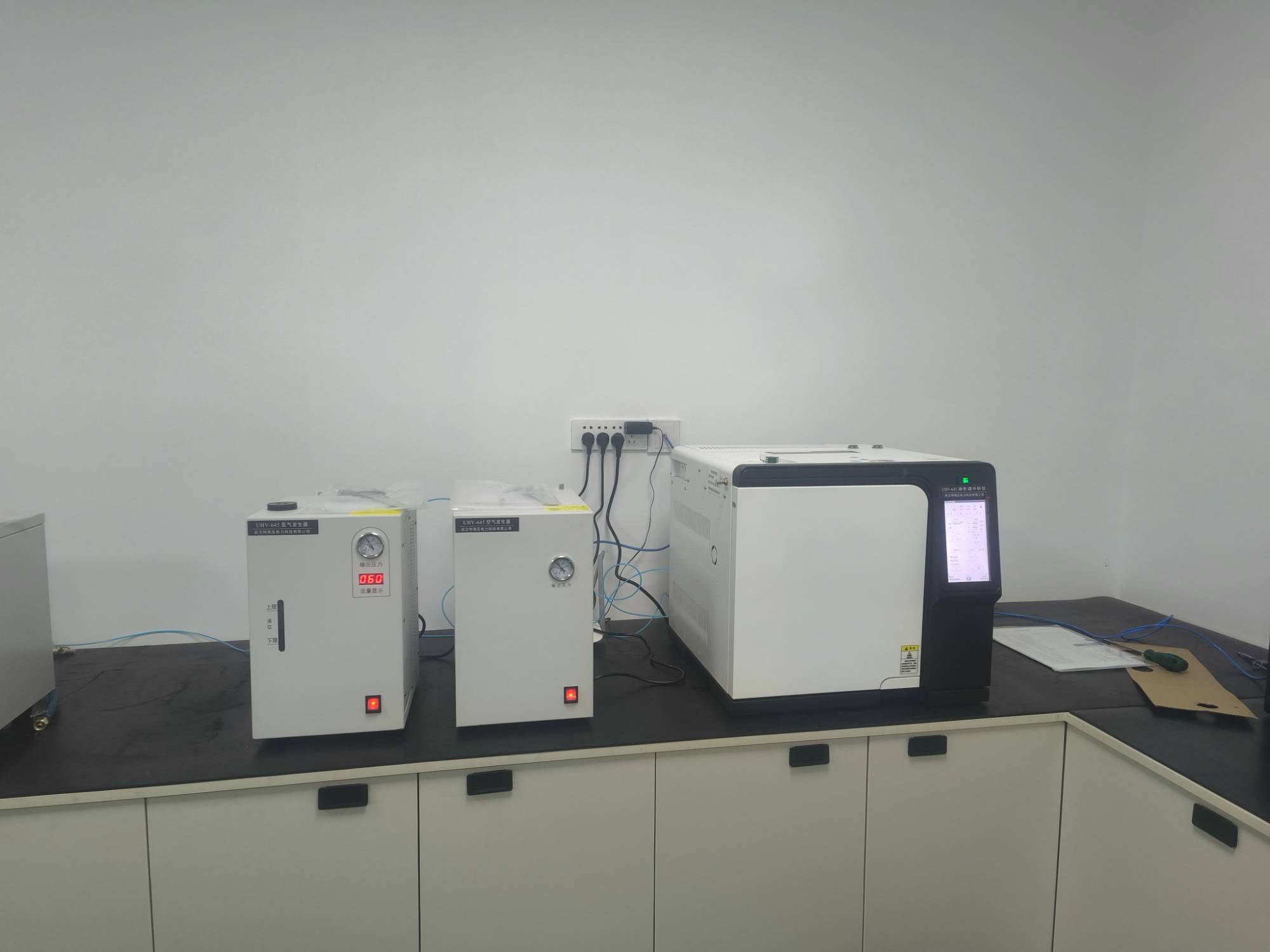
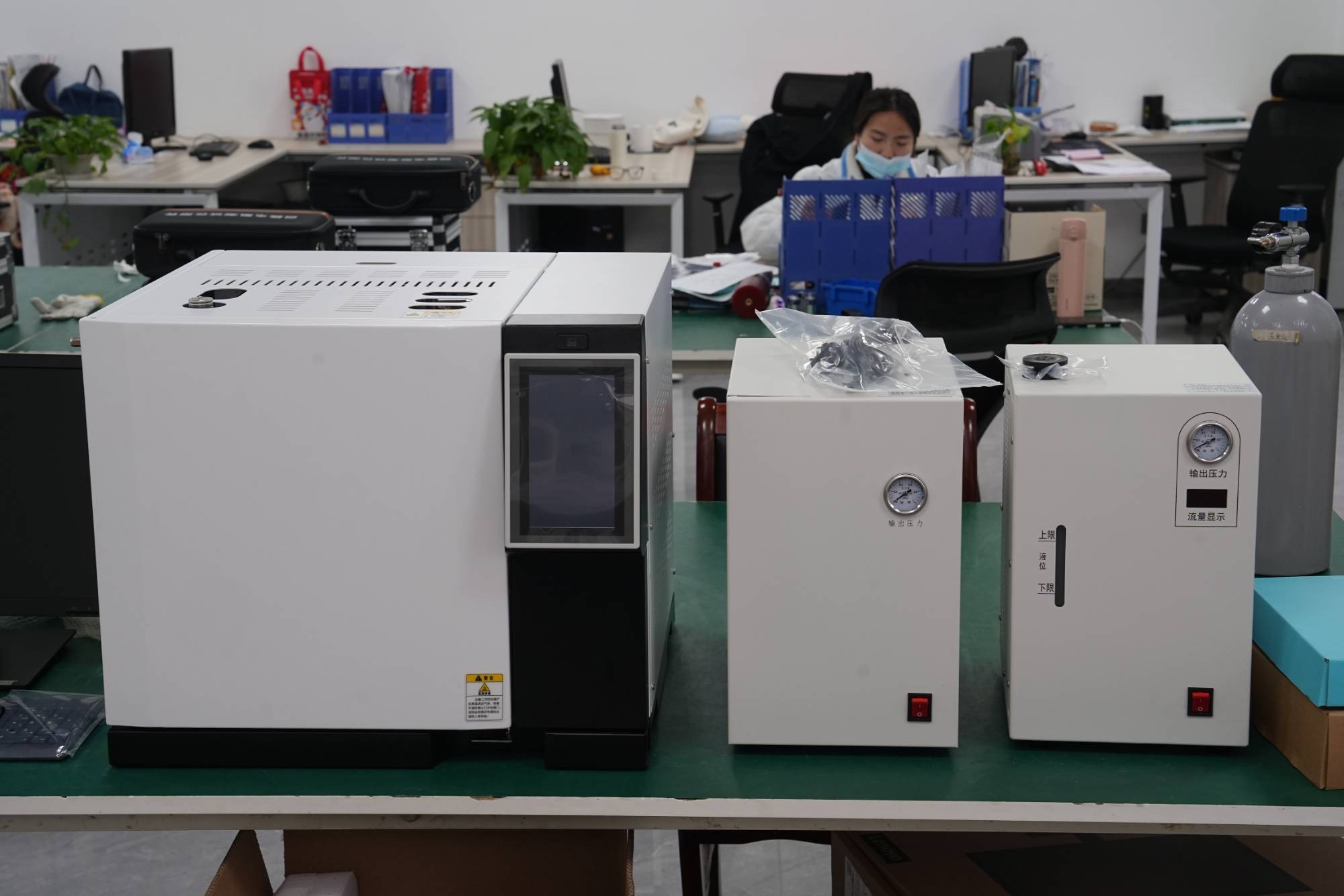
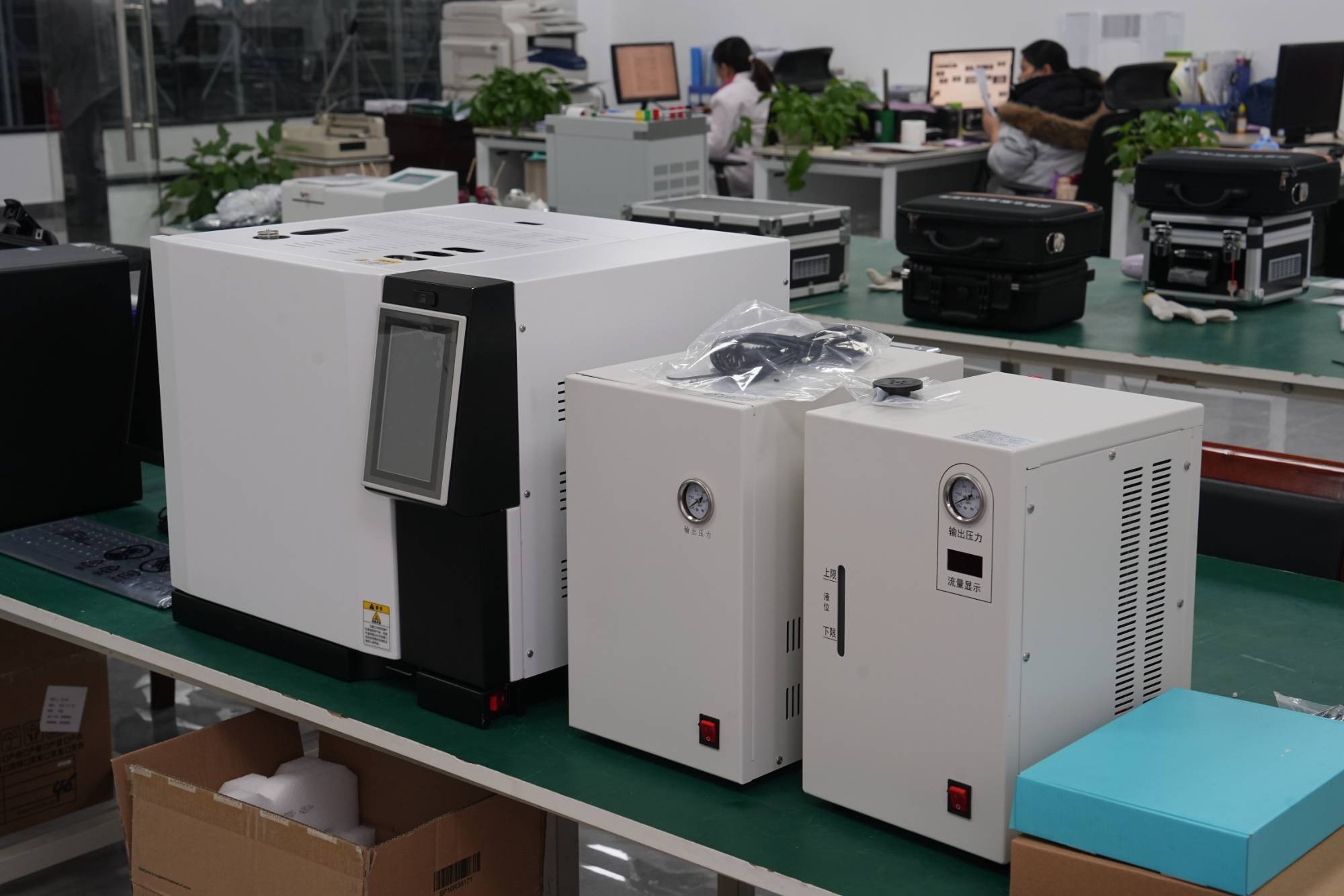
The UHV-645 OIl Gas chromatography is a technique for the separation and analysis of multi-component mixtures. It primarily leverages differences in the boiling points, polarities, and adsorption coefficients of sample components within the chromatographic column to achieve effective separation, followed by qualitative and quantitative analysis of the separated components.
In a gas chromatograph, gas serves as the mobile phase (carrier gas). The sample is introduced into the inlet and vaporized, then carried by the carrier gas into a packed or capillary column. Due to variations in the boiling points, polarities, and adsorption coefficients among the components, they become separated within the column. The resulting data is transmitted via a serial port or network to a chromatographic workstation, which records and analyzes the gas chromatogram of each component to generate a detailed analysis report.
With its high separation efficiency, fast analysis speed, and minimal sample consumption, gas chromatography has found extensive applications across industries such as petrochemicals, biochemistry, pharmaceuticals, health and quarantine, food inspection, environmental protection, food processing, and clinical medicine. In these fields, it effectively addresses critical needs including quality inspection of intermediates and finished industrial products, scientific research, pollution monitoring, and production process control.
주요 기술 지표
| Network anti-control system | Internal CAN's way, with interface board design, It can be converted to network port output at will |
| Signal output bits | 24-bit |
| Communication interface | Network interface output(class 6 network cable connections) |
| Circuit design | ARM embedded design for easy wireless control, remote control and mobile app control |
| Temperature control system | Six-way independent temperature control |
| Temperature control | Room temperature - 450 ℃, liquid nitrogen refrigeration: - 80 ℃ - 450 ℃ |
| Column box temperature control accuracy | ±0.02℃ |
| Program heating up | 21 Stage 21 level, 0.1 ℃ / stage |
| Show module | 대형 LCD |
| Display accuracy | 0.01 ℃ |
| Lift rate of column and box | 0~80 ℃ / min (adjustment increment 0.1 ℃ / min) up to 120 ℃ / min |
| Temperature reprogrammed repeatability | ≤1% |
| TCD detector sensitivity | S value ≥ 10000mv.ml/mg (benzene) )up to 12000 mv.ml/mg (benzene) |
| 기준 소음 | ≤10uv |
| Baseline Drift | ≤50uv/30min |
| Detection limit of FID detector | ≤5 x 10-12g/s(cetane) |
| 기준 소음 | ≤2 x 10-14A |
| Baseline Drift | ≤1×10-13A/30min(After the instrument stabilizes for 2 hours) |
| Detection limit of ECD detector | ≤1.0 x 10⁻¹³g/s (r-666) |
| 기준 소음 | ≤40uv |
| Baseline Drift | ≤100uv/30min |
| Detection limit of FPD detector | ≤1.4 x 10⁻¹² g/s(p), ≤5×10-11g/s(S) |
| 기준 소음 | ≤20uv |
| Baseline Drift | ≤50uv/30min |
| Extended | ≤6 external events can be added |
| Automation engineering | Can be increased: automatic ignition function, automatic sampler connection, four-way flow pressure display function, optional counter-control workstation to achieve counter-control |
 |  |  |
Product Characteristics
1. Advanced Network Connectivity: Equipped with a state-of-the-art 10/100M adaptive Ethernet communication interface and a built-in IP protocol stack, enabling long-distance data transmission via local area networks or the internet. This facilitates easy laboratory setup, simplifies configuration, and streamlines analytical data management.
2. Multi-Level Data Access: Internally designed with three independent connection points, allowing access for local processing (laboratory site), unit supervision (e.g., quality inspection manager, production director), and higher-level oversight (e.g., environmental protection bureau, technical supervision bureau). This enables real-time monitoring of instrument operation and data analysis results by supervisors at all levels.
3. Networked Workstation Support: Comes with a network version of the workstation that supports up to 253 chromatographs, including data processing and counter-control capabilities. This simplifies document management while significantly reducing laboratory investment and operating costs.
4. Remote Diagnostics and Updates: Supports remote diagnostics and program updates via internet connection to the manufacturer (user-authorized).
5. Flexible Display Options: Can be equipped with a 5.7-inch color LCD screen or a color touch screen to meet varying user preferences.
6. Bilingual Operating System: Features both Chinese and English operating systems, freely switchable.
7. Customizable Control Zones: Temperature control zones, electronic flow controllers (EFC), and electronic pressure controllers (EPC) can be freely named by the user for enhanced convenience (optional).
8. Multi-Processor Parallel Operation: Utilizes a multi-processor parallel architecture to ensure high reliability and accommodate complex sample analyses. Supports a variety of high-performance detectors, including FID, TCD, ECD, FPD, and NPD, with up to four detectors installed simultaneously. Additional detectors can be conveniently added after purchase using the detector appendage method.
9. Modular Structure: Designed with a modular architecture for clear layout, easy replacement, and straightforward upgrades, ensuring long-term investment protection.
10. Advanced Temperature Control System: Features a new microcomputer temperature control system with high precision, reliability, and anti-interference performance. Includes six fully independent temperature control zones and supports 16-step program heating, enabling a broader range of sample analysis. The column oven is equipped with an automatic rear door system, improving low-temperature control accuracy and accelerating heating/cooling rates.
11. Digital Flow and Pressure Control: Incorporates advanced electronic flow controllers (EFC) and electronic pressure controllers (EPC) for digital control, significantly improving qualitative and quantitative reproducibility.
12. Timed Self-Start Function: Designed with a timed self-start procedure, facilitating online analysis of gas samples (requires online automatic sampling components).
13. High-Performance AD Conversion: Built-in low-noise, high-resolution 24-bit AD circuit with baseline storage and baseline subtraction capabilities.
14. Wide Operating System Compatibility: Compatible with Windows XP, Windows 2000, Windows 7, and other operating systems. Sampling data is read via CDF files conforming to AOAC (American Analytical Society) standards, enabling connectivity with chromatography workstations from Agilent, Waters, and other manufacturers.
15. Open Communication Protocol: Features a Modbus/TCP standard interface with full independent intellectual property rights, allowing easy connection with DCS systems.
16. Auto-Sampler Compatibility: Compatible with automatic injectors from various domestic and international manufacturers, such as Shimadzu's AOC-20i and Italy's HTA series high-efficiency gas/liquid auto-samplers.
 |  |  |
Core functionality
(1) Gas Separation and Quantitative Detection
The instrument separates various gases (such as hydrogen, methane, acetylene, carbon monoxide, etc.) dissolved in the insulating oil through a chromatographic column, and then quantitatively analyzes each component using detectors (such as FID, TCD). Different gas contents correspond to different types of faults, for example, an increase in acetylene content may indicate arc discharge, and an abnormal ratio of carbon monoxide to carbon dioxide may reflect the aging of solid insulation materials.
(2) Fault diagnosis and trend analysis
Based on IEC or national standards, the instrument can automatically generate diagnostic reports, indicating whether the equipment has problems such as overheating, partial discharge, or insulation degradation. By regularly detecting and comparing historical data, it is possible to track the trend of gas content changes, predict the stage of fault development, and provide a basis for maintenance decisions.
(3) Automation and Intelligence
Modern insulation oil chromatography analyzers are often equipped with automatic sampling systems, data processing software, and remote monitoring functions, which can reduce human operational errors and improve detection efficiency. Some models can also combine artificial intelligence algorithms to optimize fault diagnosis models and improve warning accuracy.
Typical application scenarios
(1) Transformer status monitoring
Transformers are the core equipment of the power grid, and their internal faults are often accompanied by the decomposition of insulating oil to produce characteristic gases. By regularly sampling and analyzing, hidden dangers such as winding short circuits and multi-point grounding of iron cores can be detected in a timely manner, avoiding equipment burnout or power outages.
(2) Switchgear and Transformer Testing
High voltage switchgear and transformers may produce gas due to partial discharge or poor contact during operation. Chromatographic analysis can quickly locate the fault point, guide targeted maintenance, and extend equipment life.
(3) New equipment acceptance and post failure evaluation
Newly put into operation equipment requires verification of insulation performance through chromatographic analysis; After the fault is repaired, the treatment effect can be evaluated by comparing the changes in gas content, ensuring the safe operation of the equipment.
(4) Research and Quality Control
In the research and development of insulation materials or the production process of transformers, chromatographic analysis is used to monitor the stability of materials and the impact of manufacturing processes on insulation performance, helping to optimize products.
Frequently Asked Questions
1. What does an oil chromatography analyzer measure?
Mainly detecting seven characteristic gases dissolved in the insulation oil of oil filled equipment such as transformers and reactors: hydrogen, methane, ethane, ethylene, acetylene, carbon monoxide, and carbon dioxide. By measuring the concentration and gas production rate of these gases, potential faults such as overheating, discharge, or insulation aging inside the equipment can be determined. This is the core method of preventive testing for power equipment.
2. Is the instrument operation simple?
Yes. The system is equipped with professional chromatography workstation software, which has functions such as automatic identification of chromatographic peaks, automatic calculation, and automatic generation of reports. The interface is friendly, the operation is simple, and even new users can quickly get started.
3. What carrier gas is used for the instrument?
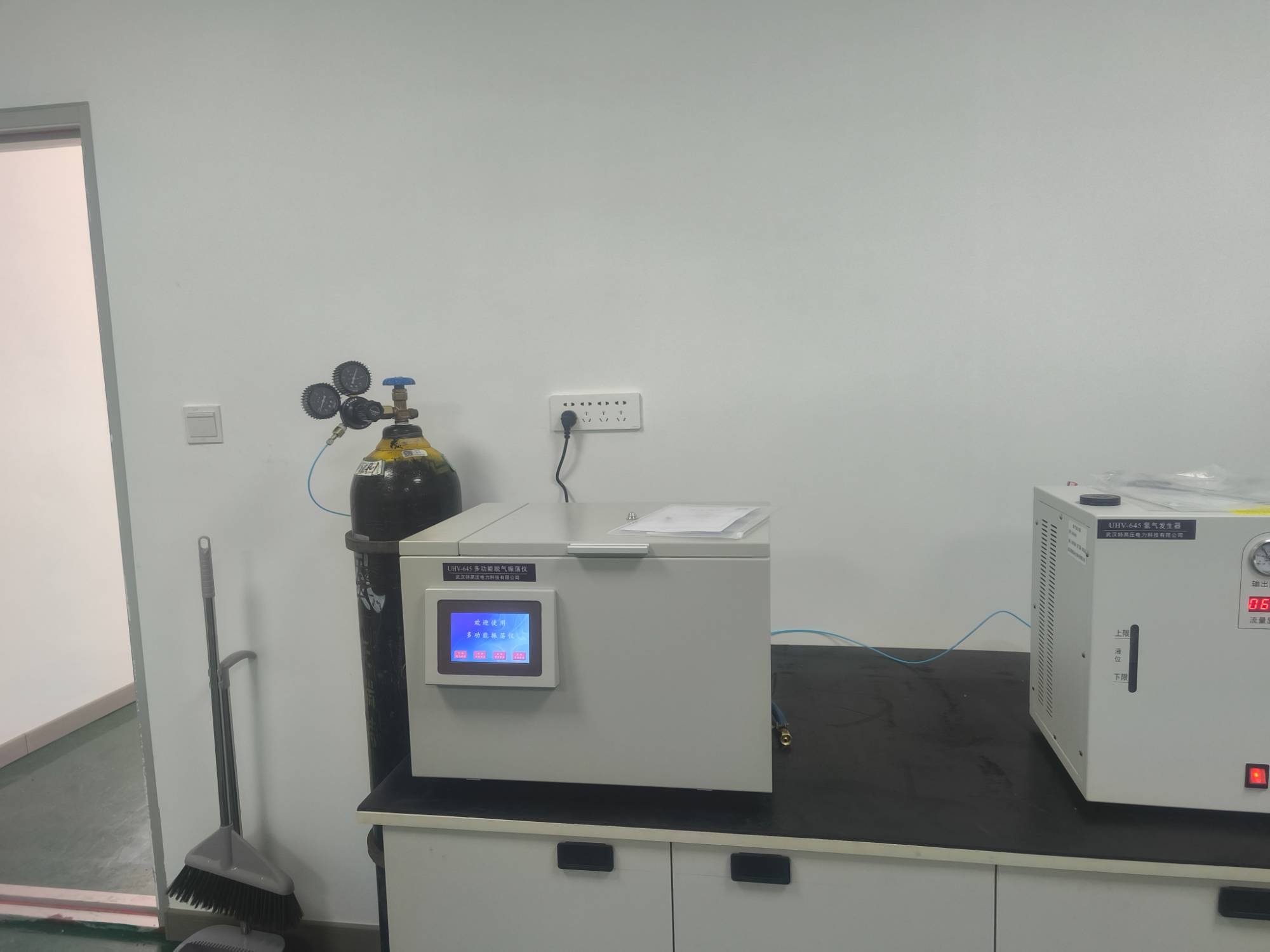
According to different detector configurations, high-purity nitrogen, high-purity hydrogen, high-purity helium, etc. can be used as carrier gases. We can provide suitable configuration solutions based on customer application needs.
4. Is daily maintenance complicated?
Not complicated. Daily maintenance mainly includes regular checks of carrier gas purity, replacement of injection gaskets, chromatographic columns, and necessary detector maintenance. The maintenance workload is small and the operating cost is low.
5. Why choose our company as the supplier?
We can provide the best professional Oil Dissolved Gas Analyzer for sales and competitive price.We not only provide high-quality oil chromatography analyzers, but also offer professional pre-sales consultation, customized solutions, strict quality control, fast delivery, comprehensive technical support, and long-term after-sales service. With rich export experience and a comprehensive service system, we are committed to helping customers improve testing efficiency, reduce maintenance costs, and provide long-term stable technical support and spare parts guarantee.